
Science, Research, and
Animal Models
William L. Palya, PhD
Jacksonville State University

What is Science?
All human endeavors
Science
All human endeavors
Why?
Science
All human endeavors
understood, useful, truth
Why?
Science

Science
Truth
empirical

Truth
empirical
reliable
Science

Truth
empirical
reliable
multiple converging evidence
Science

Truth
empirical
reliable
multiple converging evidence
consensual validation
Science

Truth
empirical
reliable
multiple converging evidence
consensual validation
operationally / functionally defined
Science
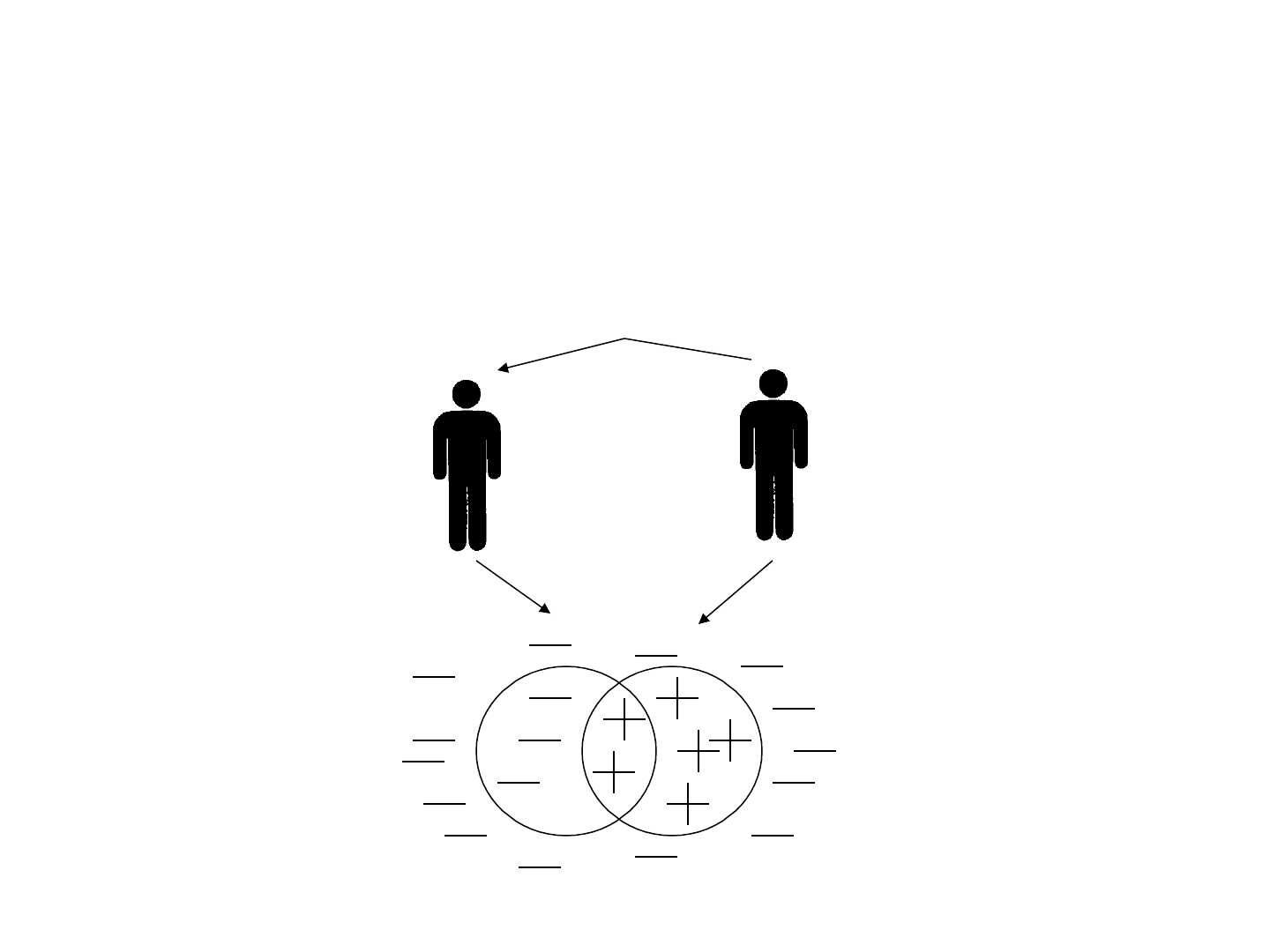
Science: Truth
operational / functional definitions

Science
Understood
describe

Science
Understood
describe
predict

Science
Understood
describe
predict
control

Science
Understood
describe
predict
control
synthesize

Science
Understood
describe
predict
control
synthesize
explain

Science: Understood
Explanation
• The cause(s) / effect(s) relationship(s)
• Factors altering functional relationships
• Systematic context for that information
Science Versus Belief
Science
empirical
reliable
multiple converging evidence
consensual validation
operationally / functionally defined
describe
predict
control
synthesize
explain
Science
X
True? But
not Science

Misconceptions
Science
• Empirical not exact
• Science and poetry are one at a time
• Unifying principle not accumulate facts
• Discover commonalities not inexplicable
• Driven by understanding not solving needs
• Unnecessary to disprove every assertion
• Theories are not wild guesses
• “Work in theory not real world” is ignorant

A Conceptual Structure for
the Scientific Study
of Nature

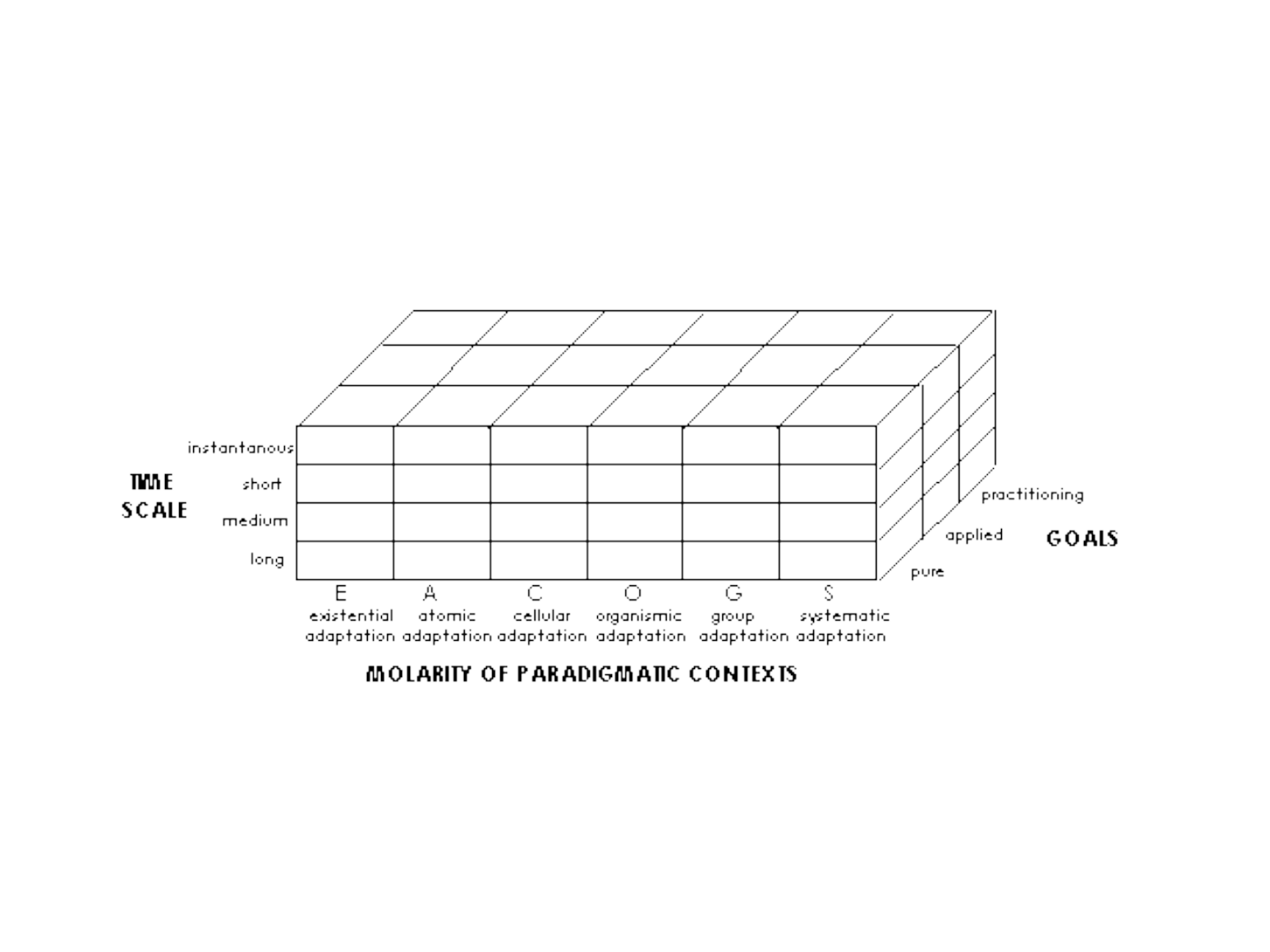
The Scientific Study of Nature
Goals
Structure for Study of Nature

The Scientific Study of Nature
Goals
Practitioning
Structure for Study of Nature

The Scientific Study of Nature
Goals
Practitioning
Applied research
Structure for Study of Nature

The Scientific Study of Nature
Goals
Practitioning
Applied research
Basic (pure) research
Structure for Study of Nature

The Scientific Study of Nature
Goals
Level of Molarity
Structure for Study of Nature
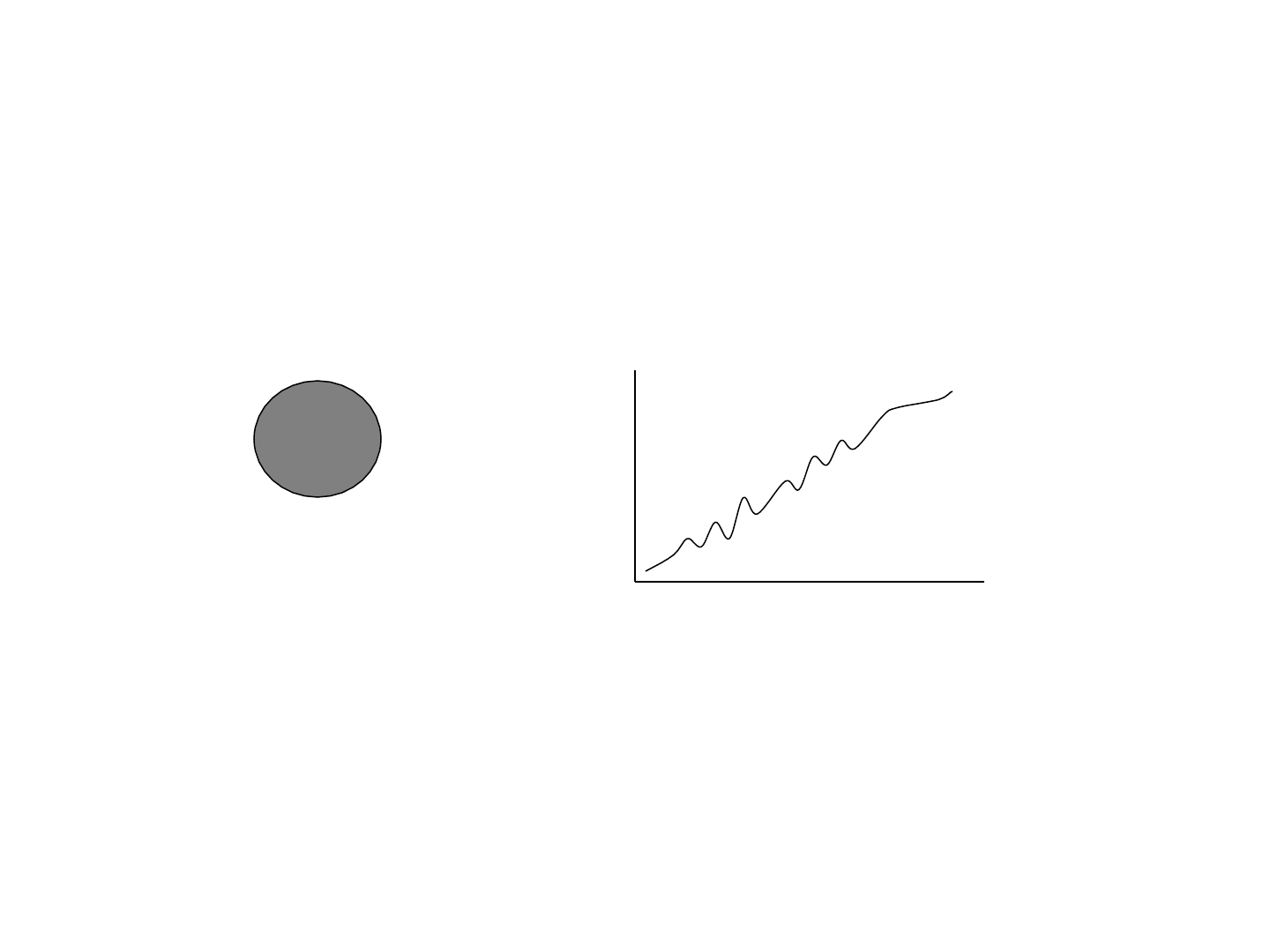
Structure for Study of Nature: Level of Molarity
cell cellular adaptation
DV
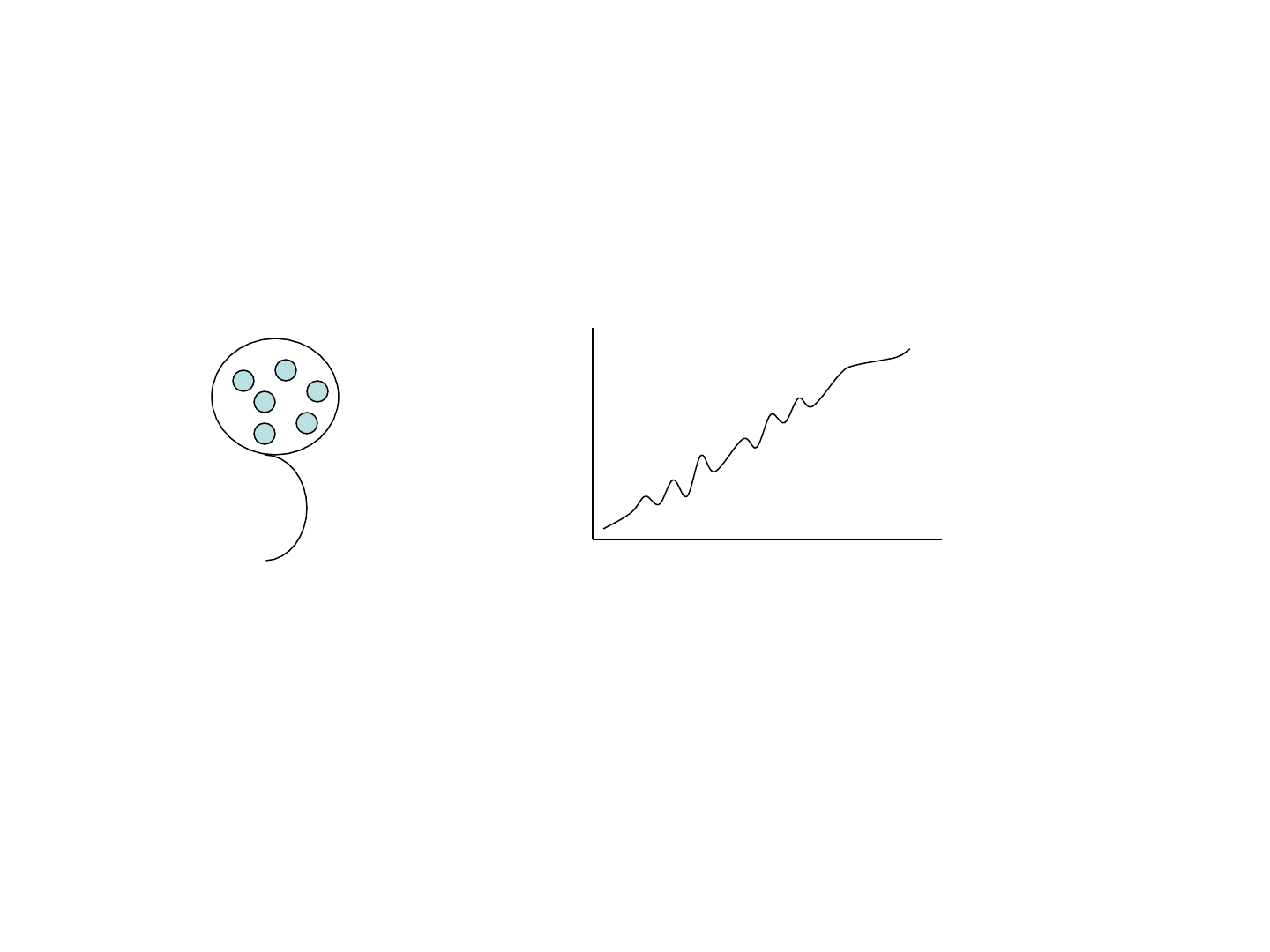
organism organismic adaptation
DV
Structure for Study of Nature: Level of Molarity
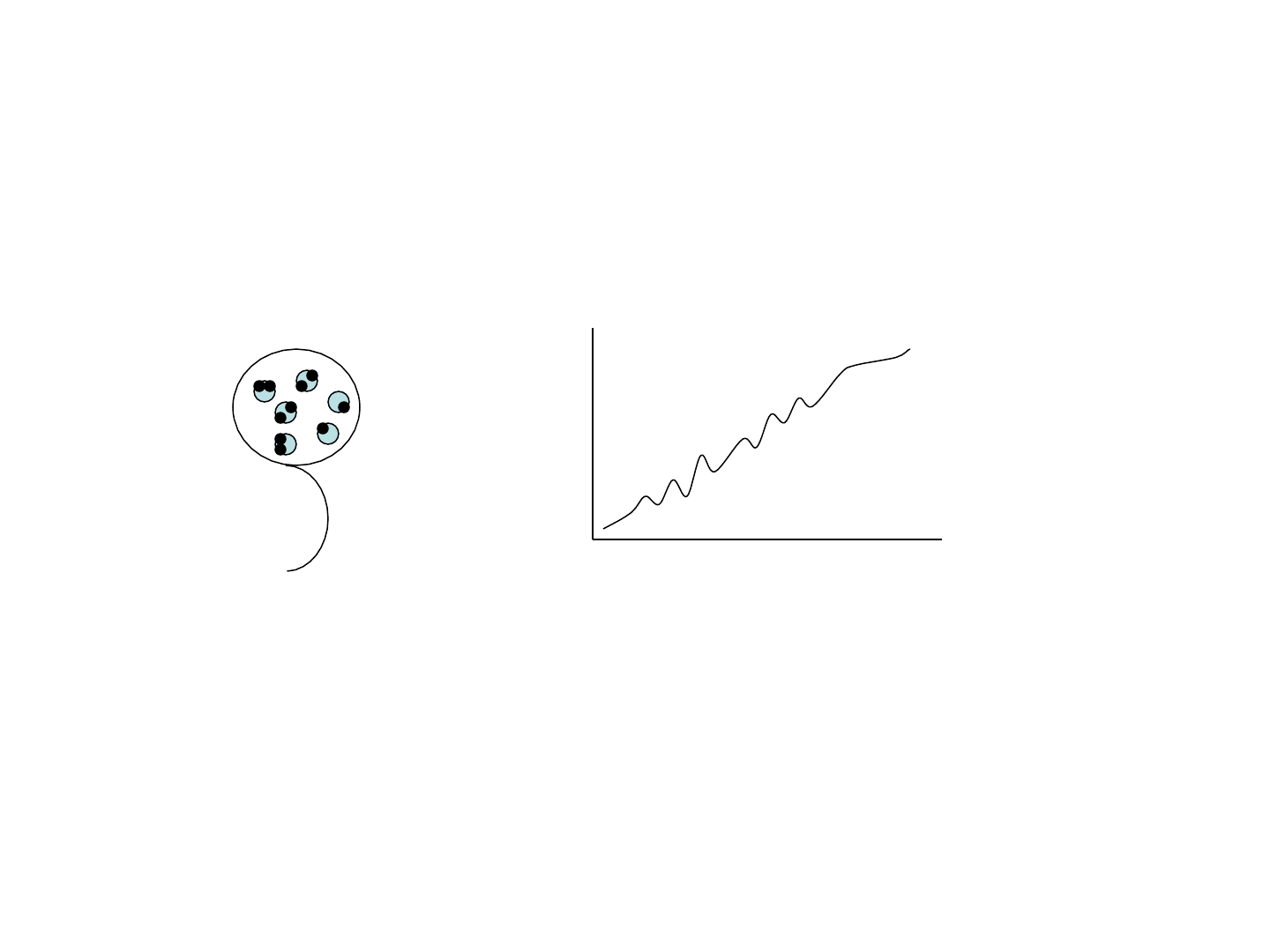
atom atomic adaptation
DV
Structure for Study of Nature: Level of Molarity
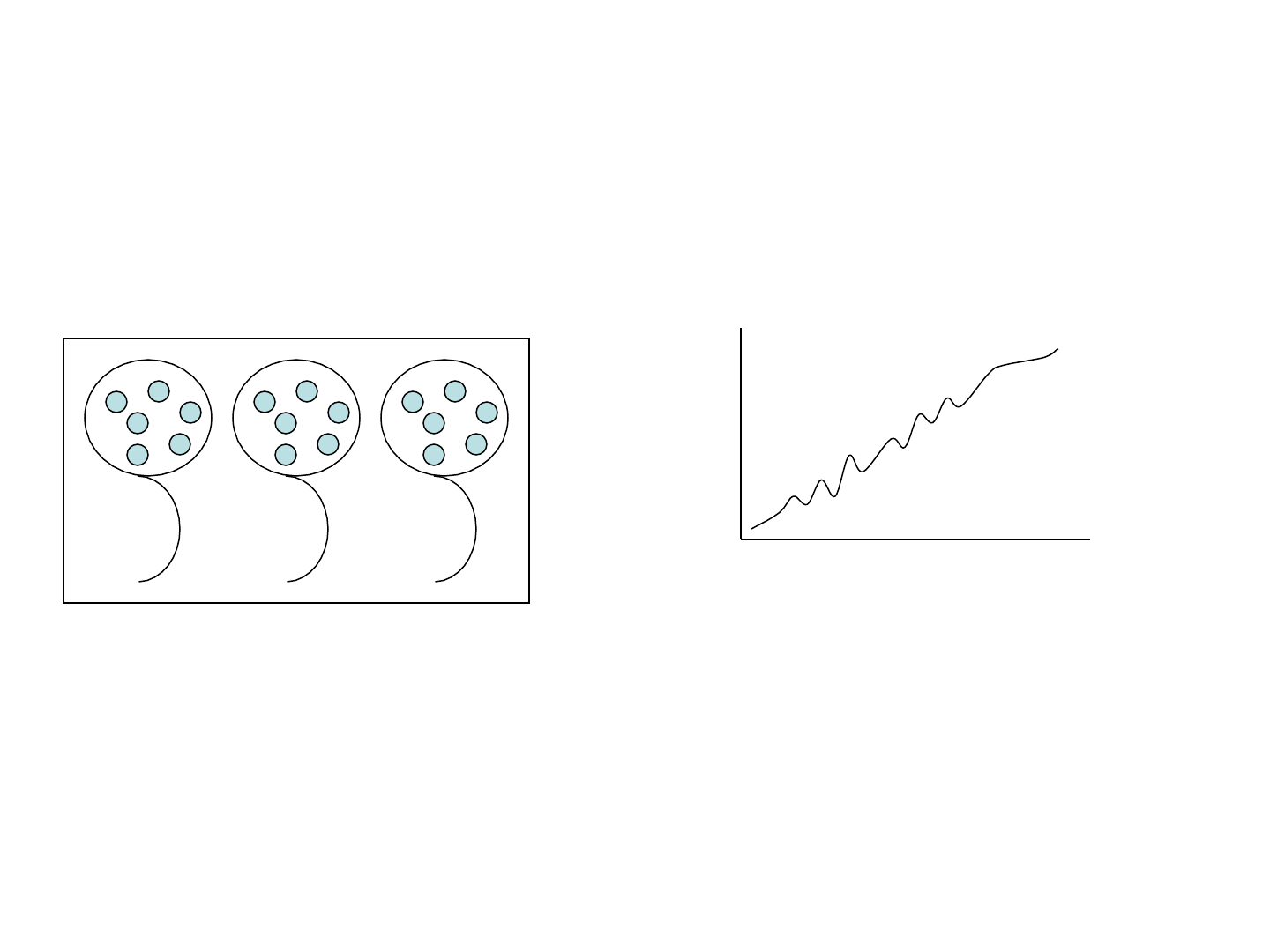
group group adaptation
DV
Structure for Study of Nature: Level of Molarity
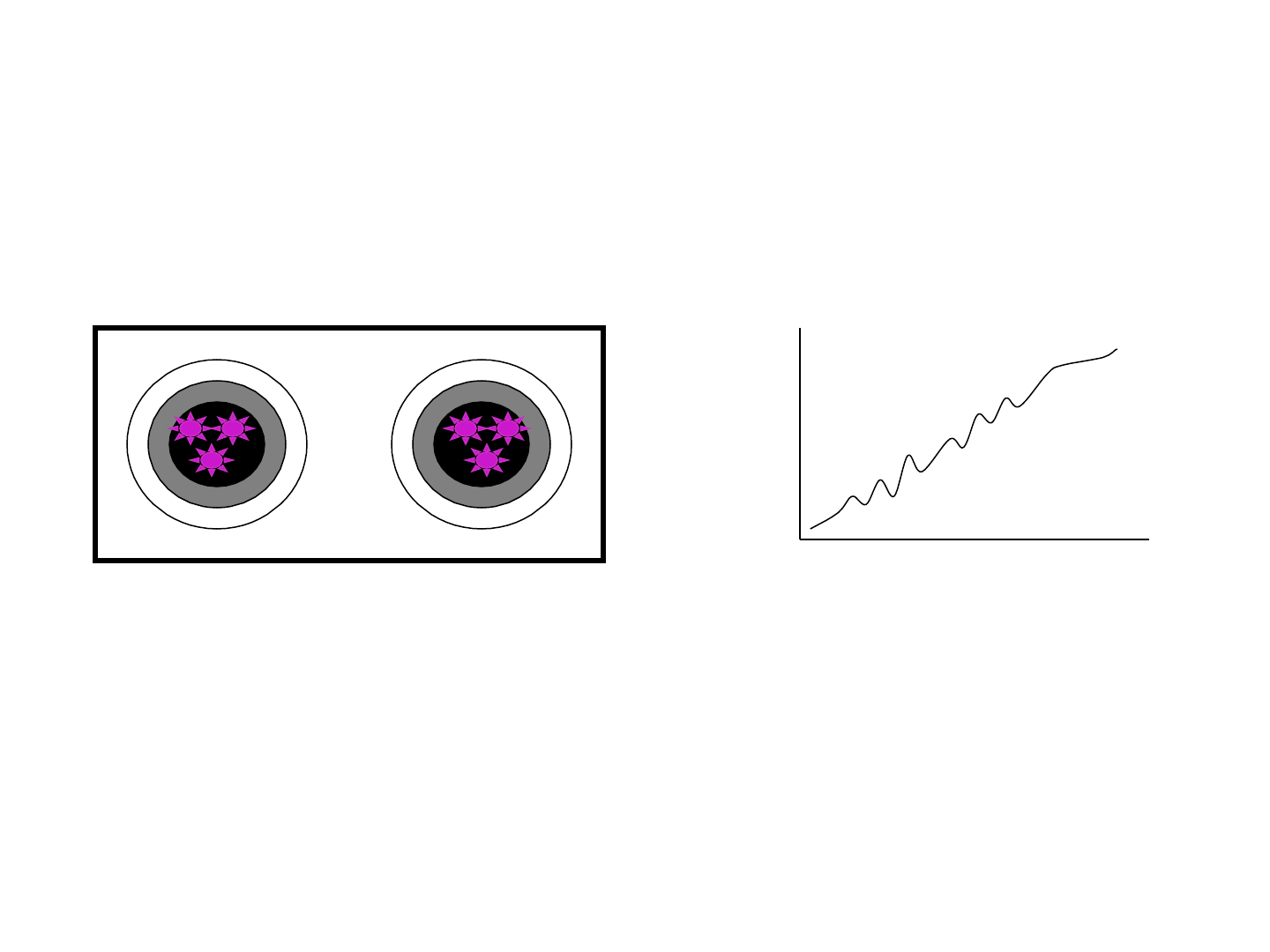
existence existential adaptation
DV
Structure for Study of Nature: Level of Molarity
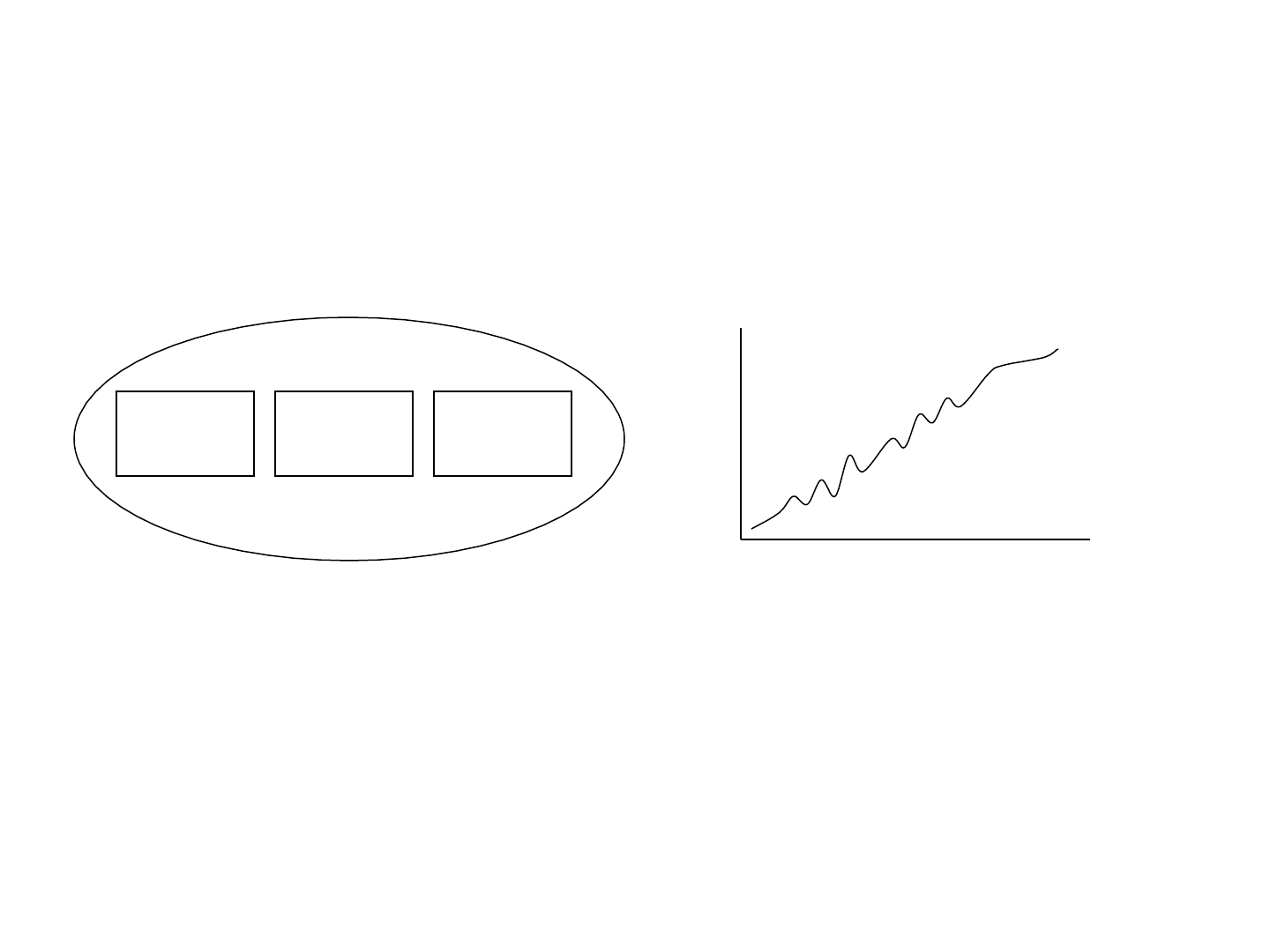
group
systematic adaptation
DV
group group
system
Structure for Study of Nature: Level of Molarity
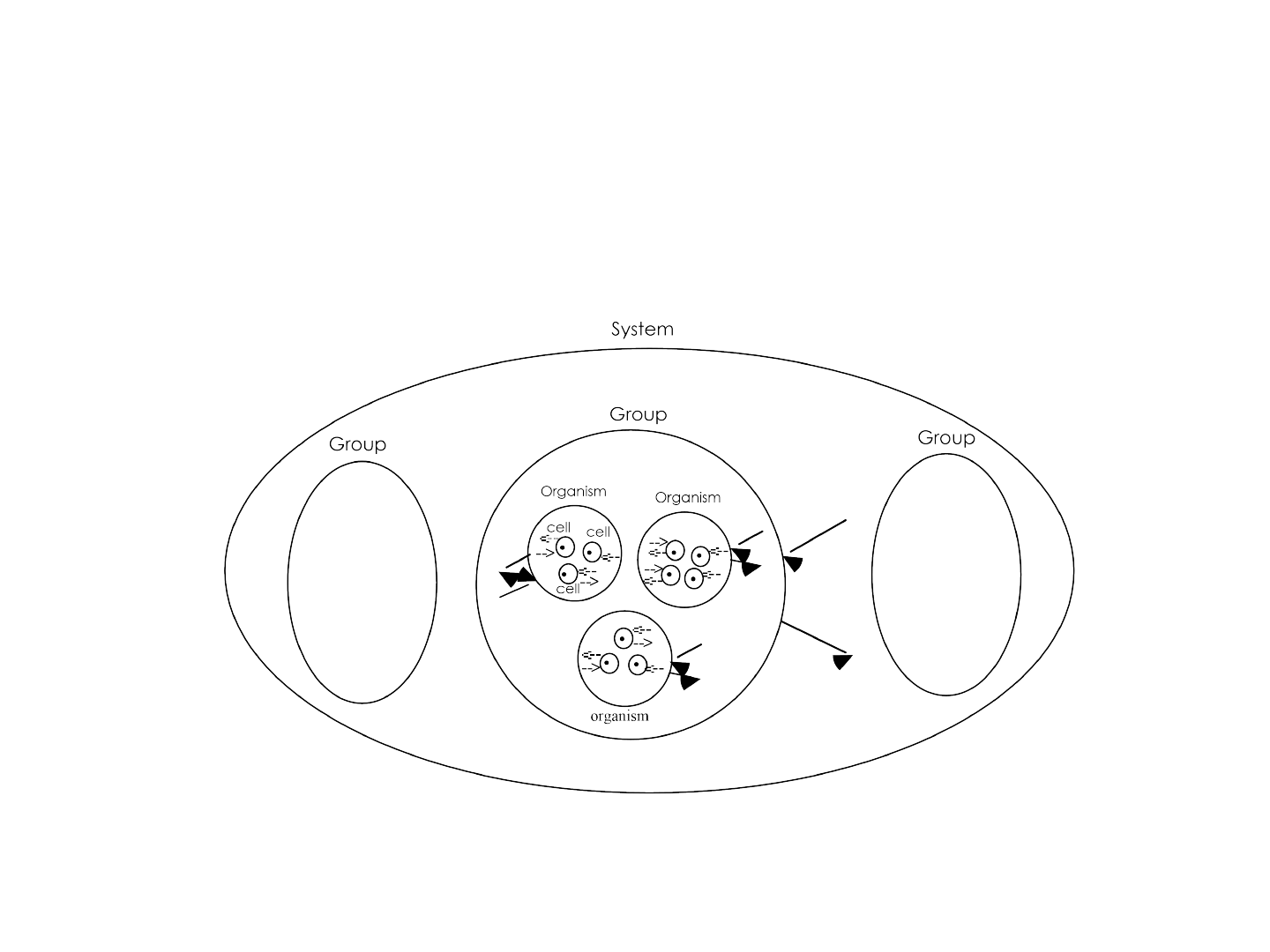
Level of Molarity Summary
Structure for Study of Nature: Level of Molarity
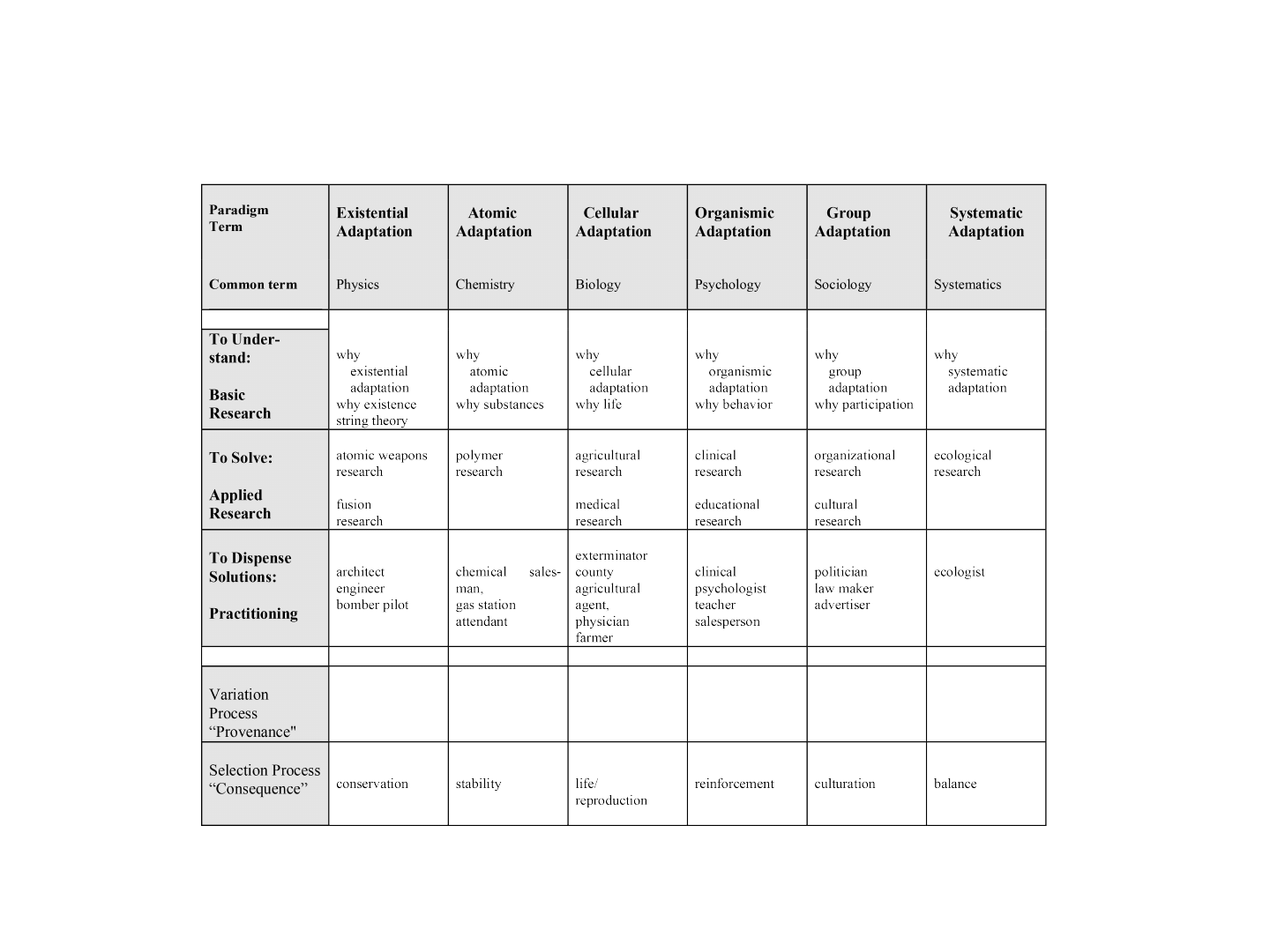
Level of Molarity by Goals Summary
Structure for Study of Nature

The Scientific Study of Nature
Goals
Level of Molarity
Time Scale
Structure for Study of Nature
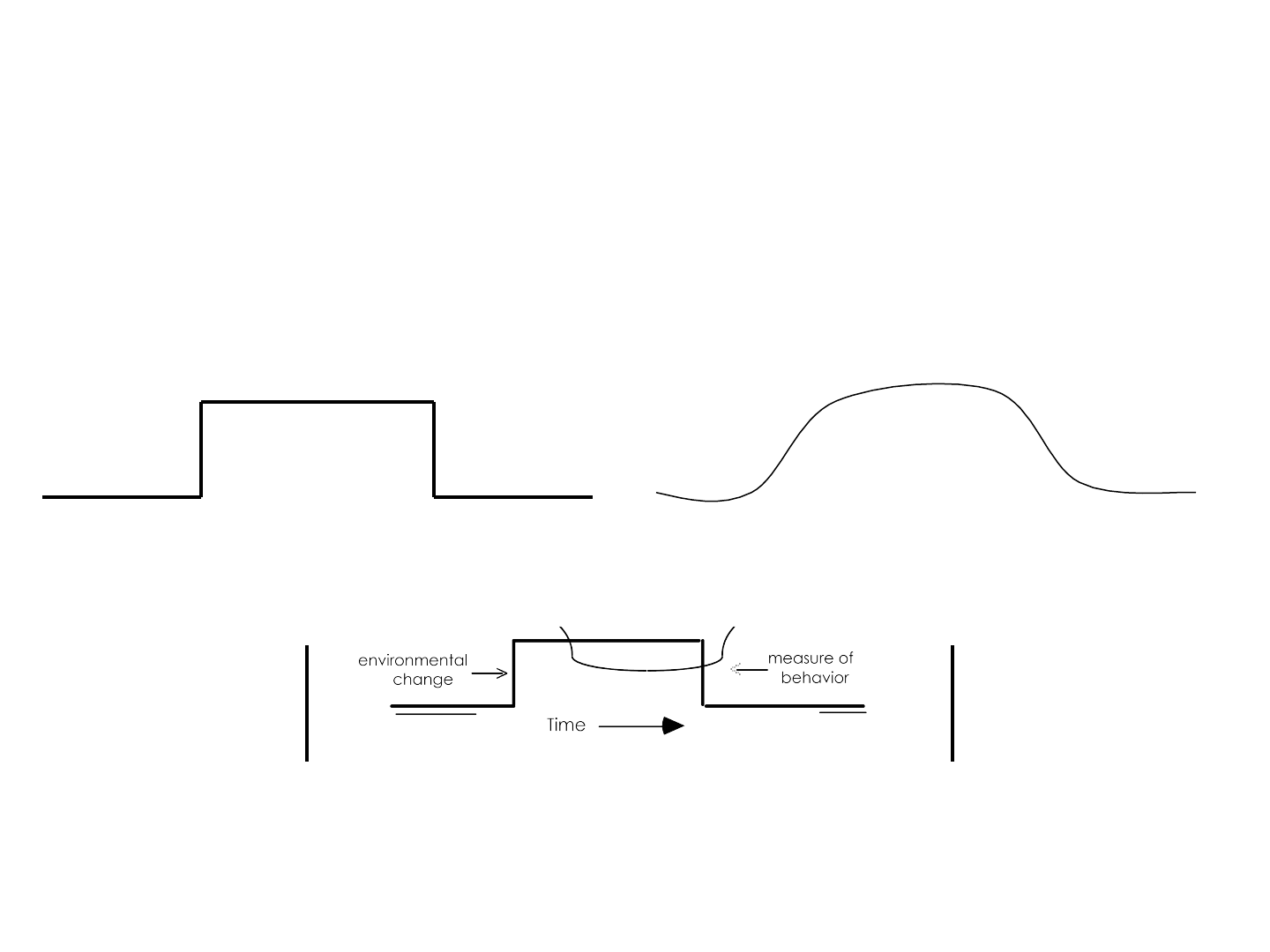
Structure for Study of Nature: Time Scale
Independent variable
Dependent variable
IV
axis
DV
axis
Time
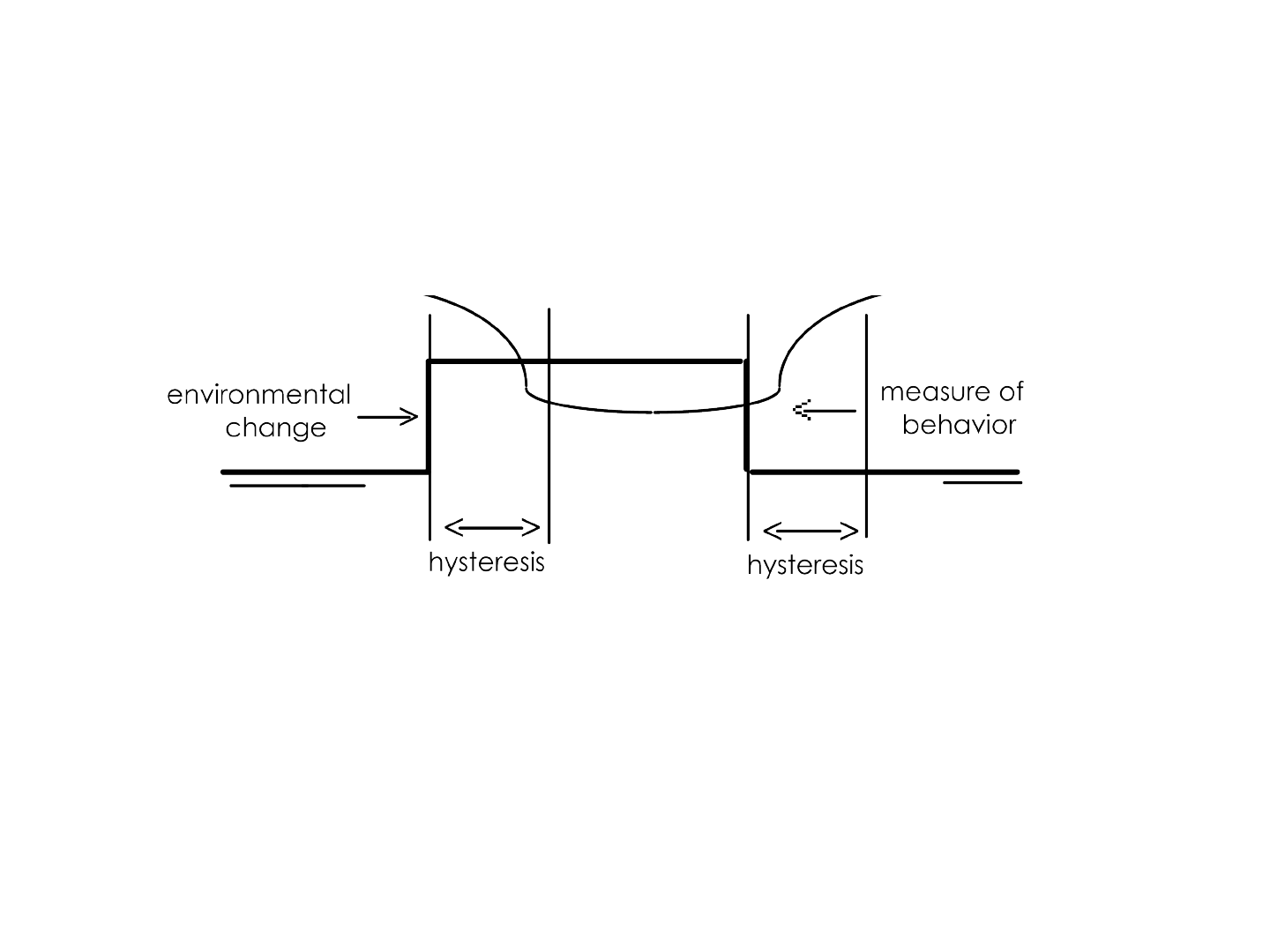
Structure for Study of Nature: Time Scale

• Levels may vary across molarity
number
size
• For psychology
immediate
short
medium
long
Structure for Study of Nature: Time Scale
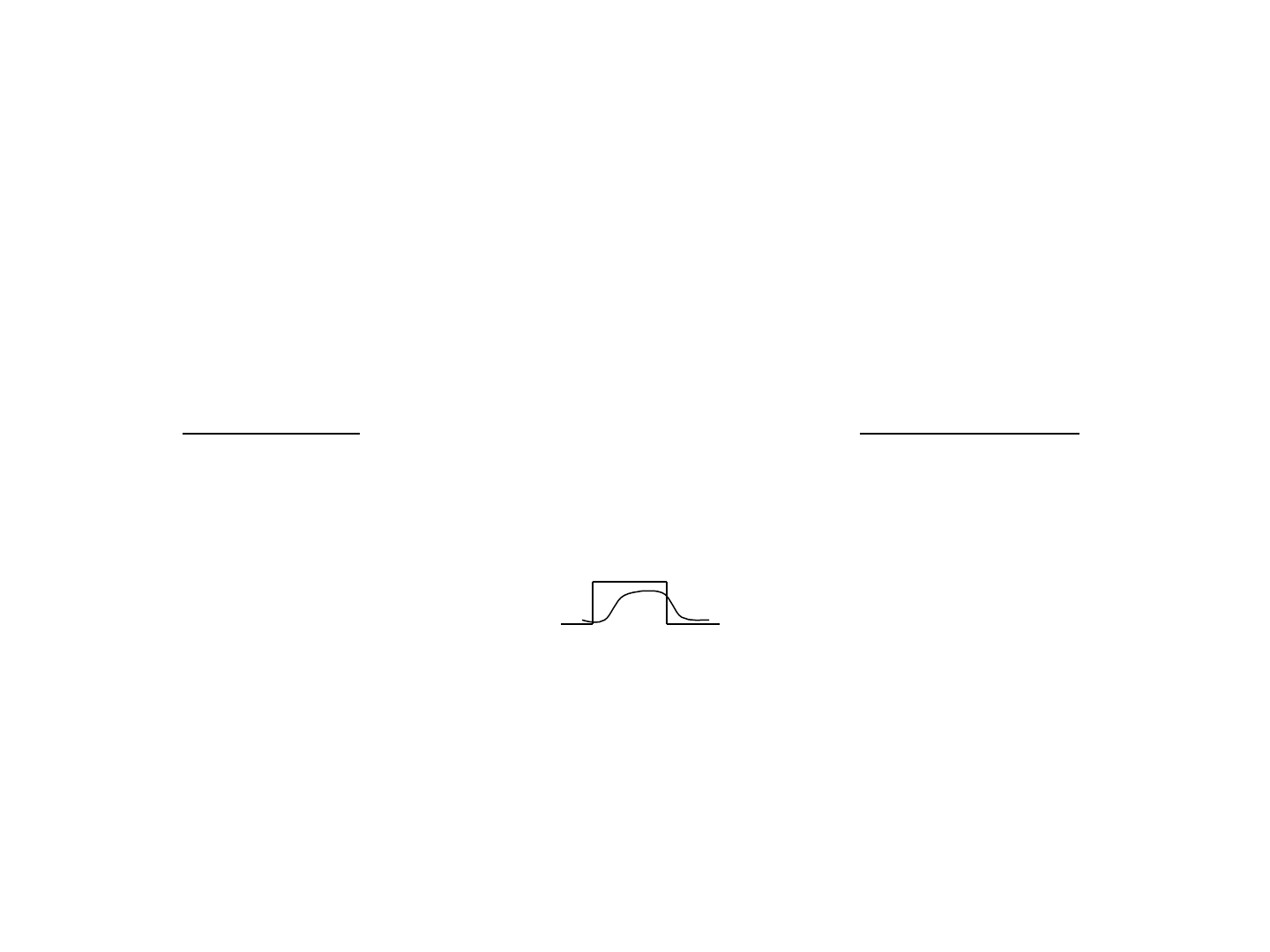
Immediate
Event
Light onset
Result
Reaction
millisec to sec
Structure for Study of Nature: Time Scale
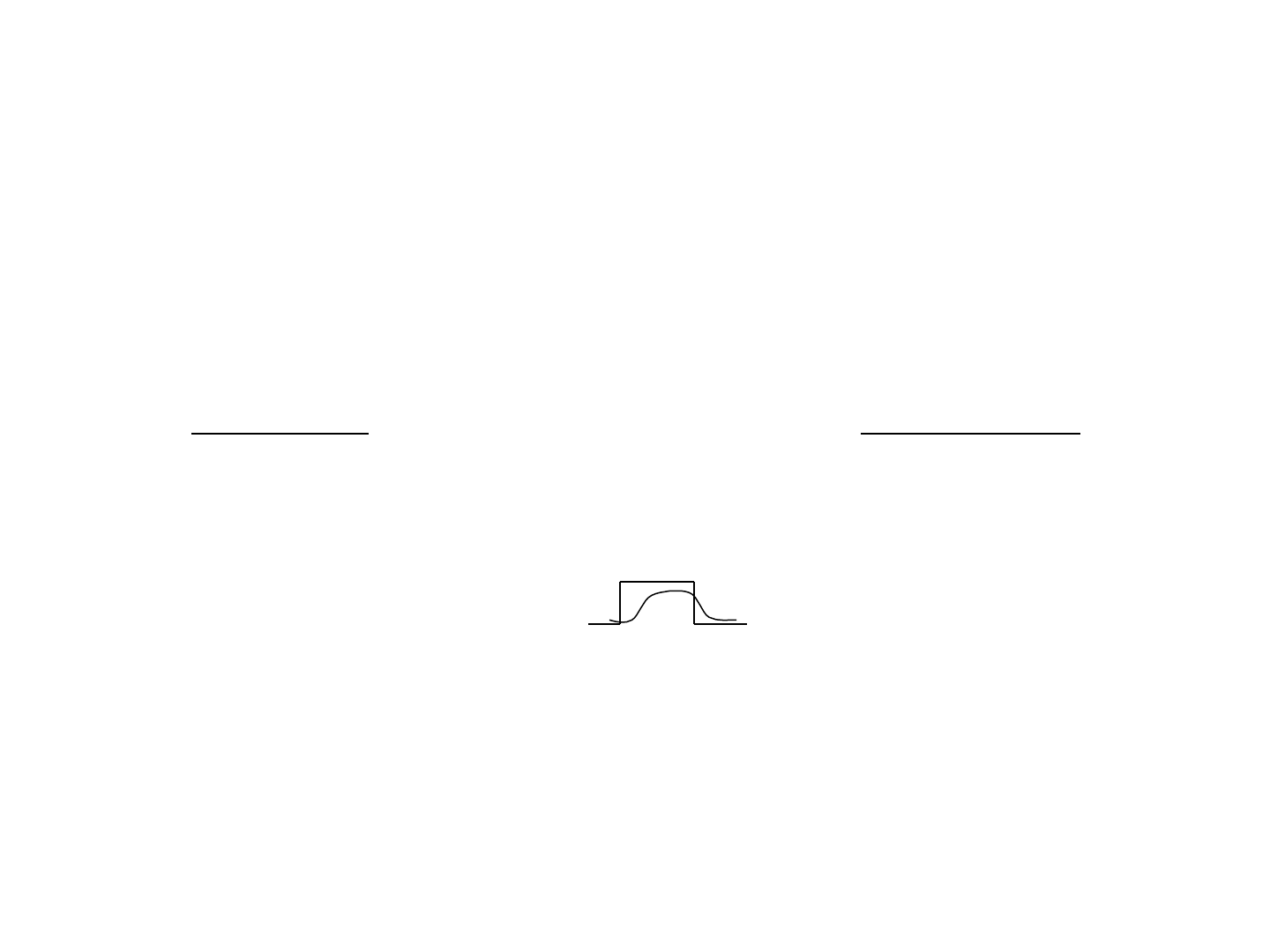
Short
Event
Contingency
If peck, then food
Result
Learning
sec to days
Structure for Study of Nature: Time Scale
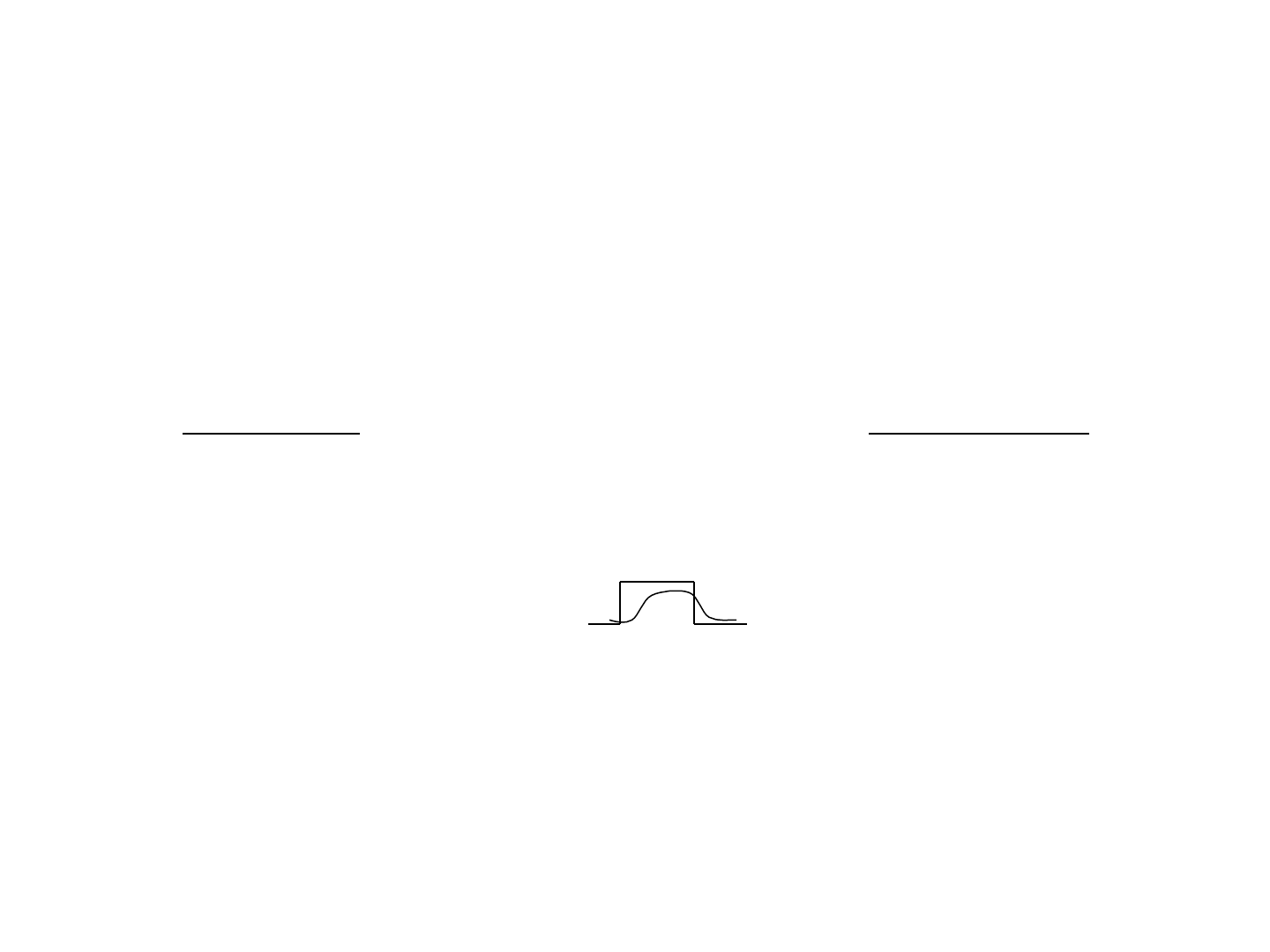
Medium
Event
Overlapping
contingencies
Result
Disposition
Days to years
Structure for Study of Nature: Time Scale
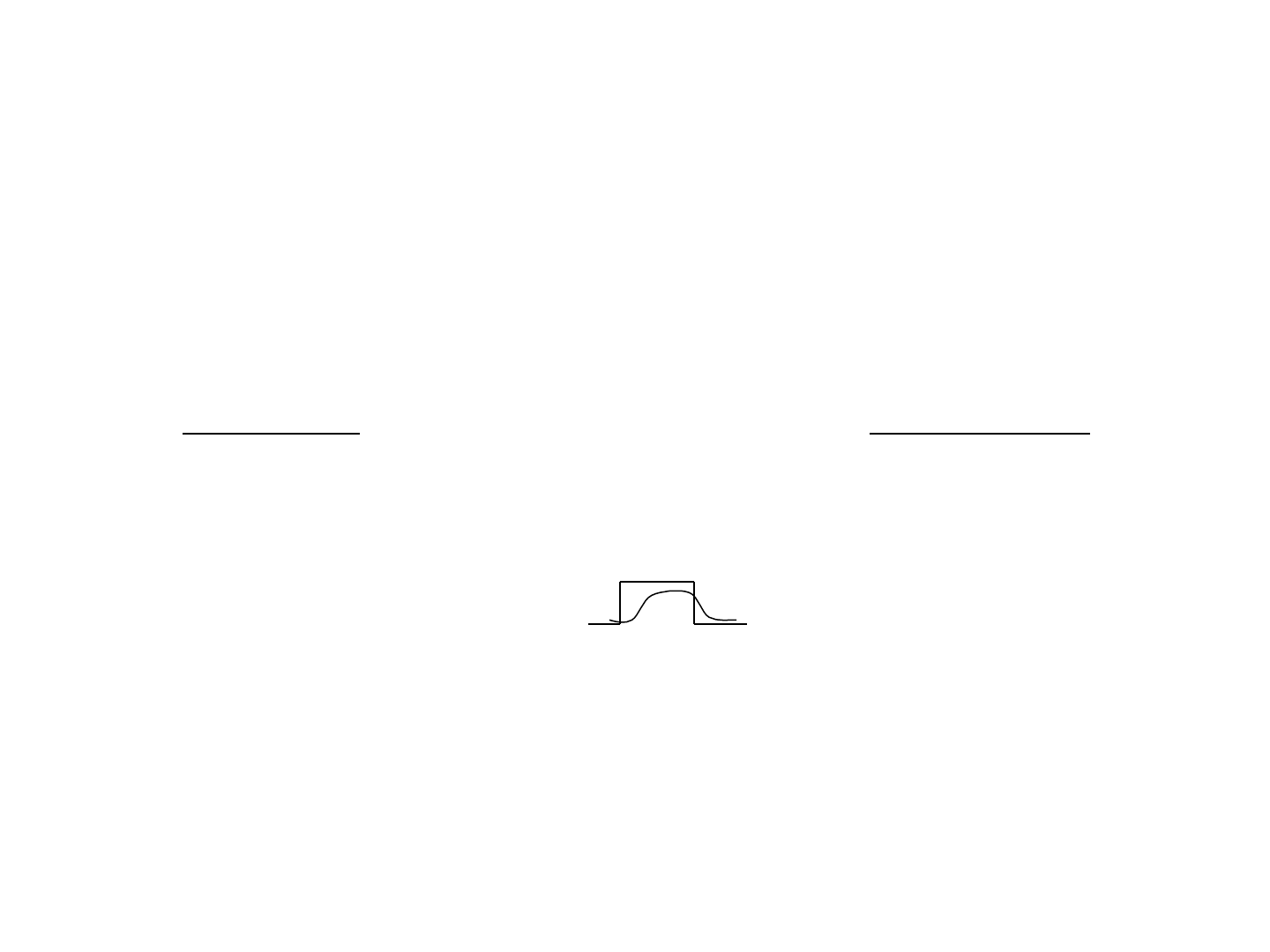
Long
Event
Reproductive
contingency
Result
Instinct
Years to millenia
Structure for Study of Nature: Time Scale
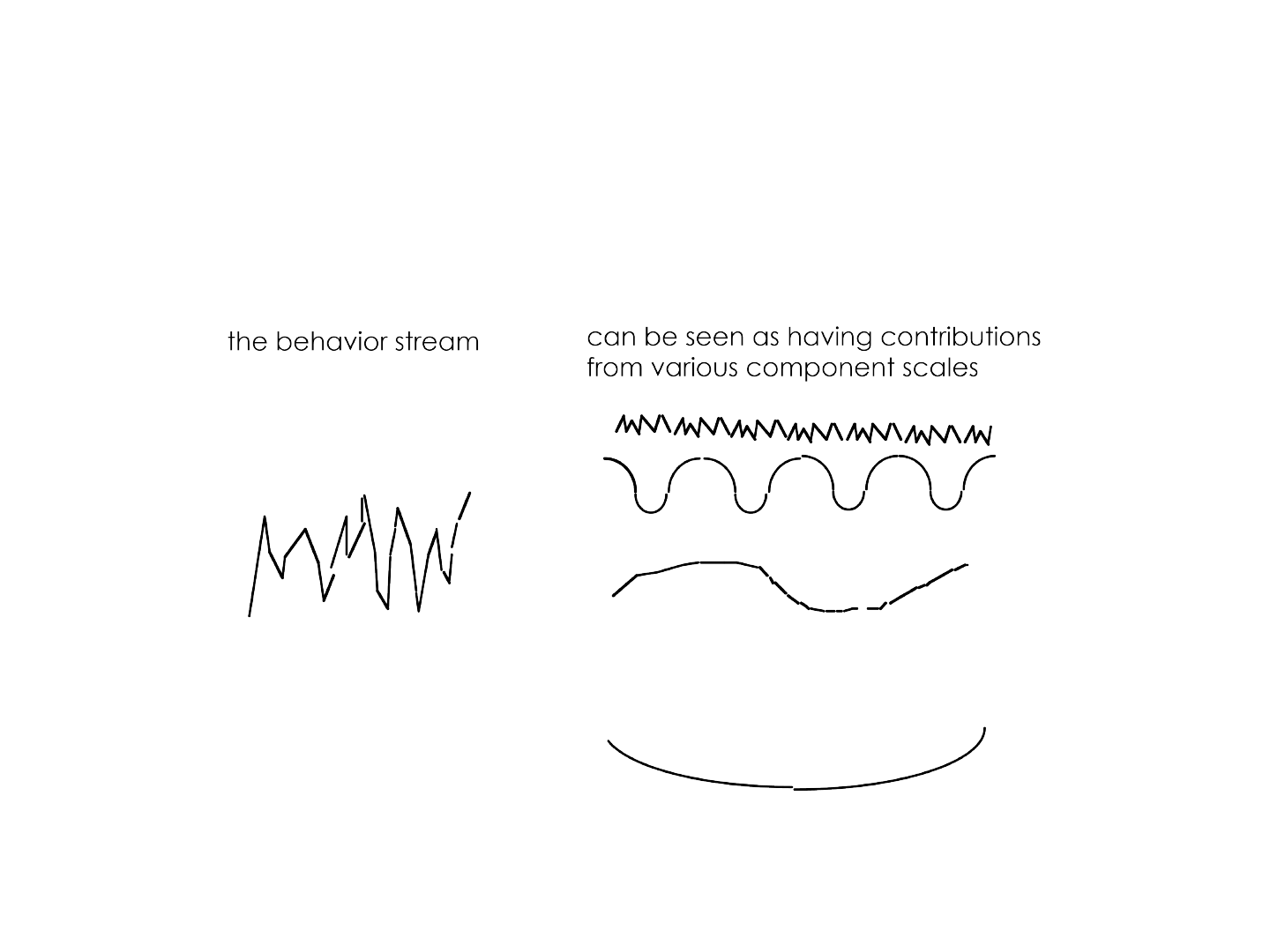
Time Scale Metaphor
Structure for Study of Nature: Time Scale
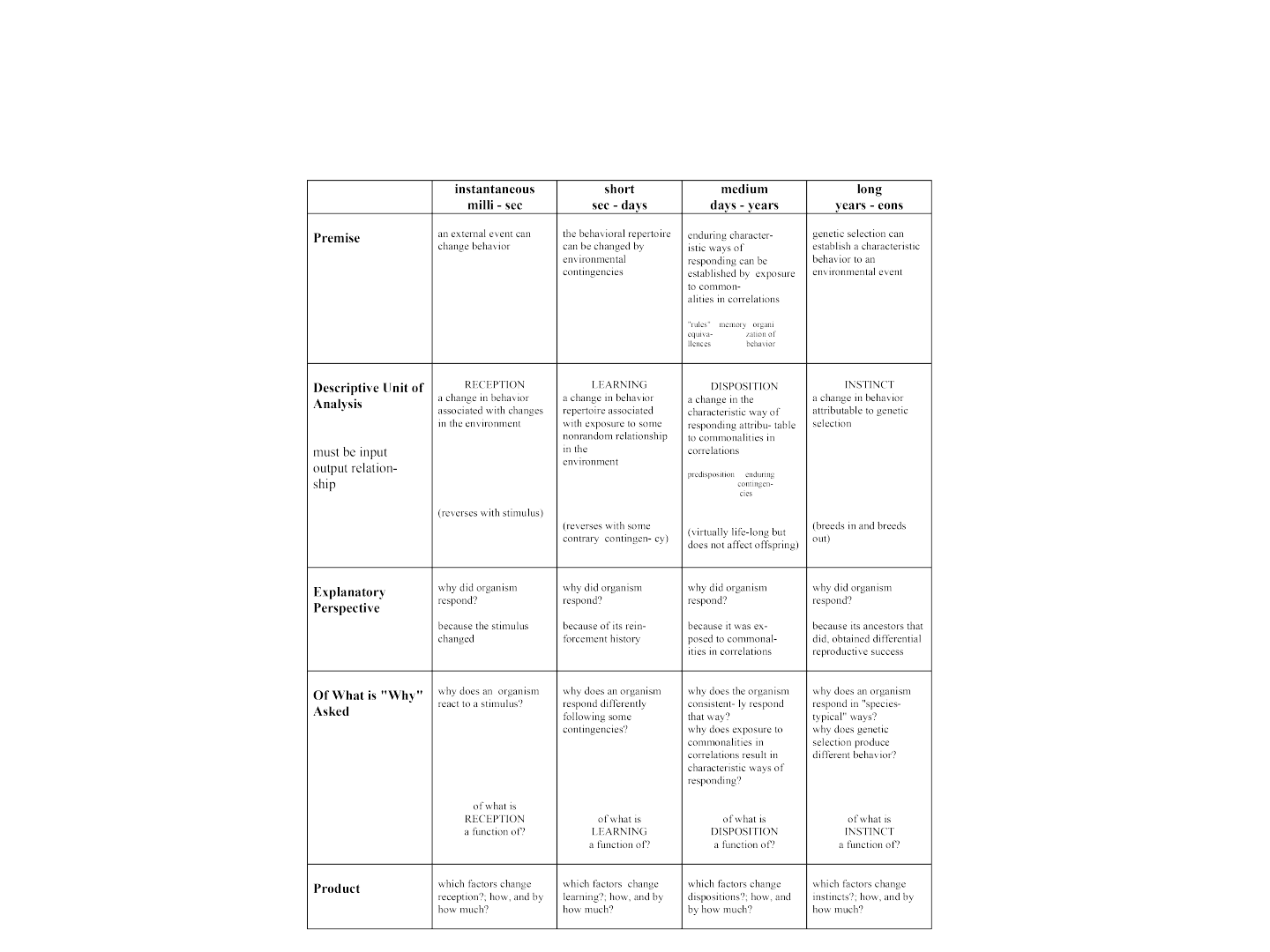
Time Scales in Psychology
Structure for Study of Nature: Time Scale
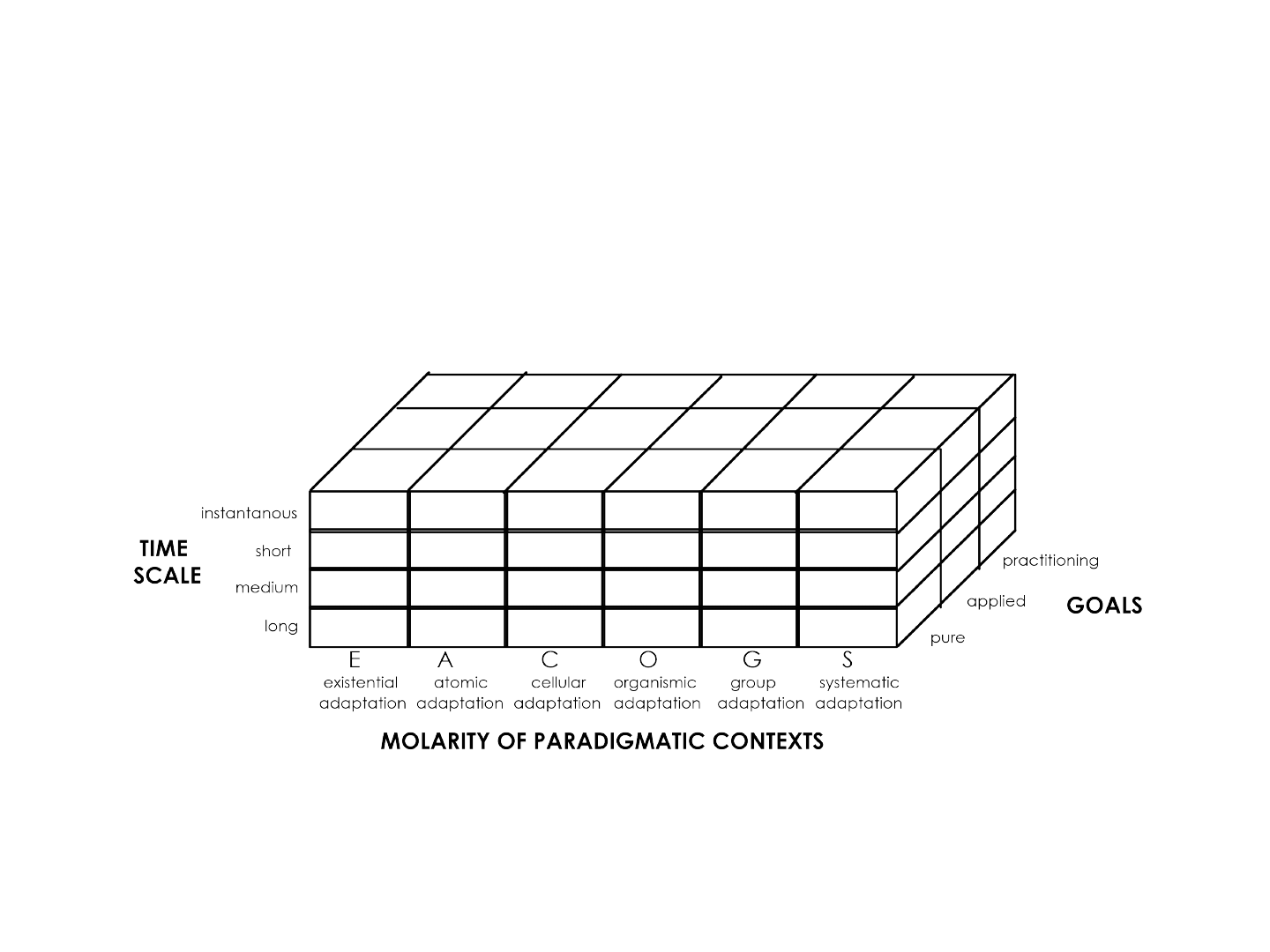
Time Scale by Level of Molarity by Goal Summary
Structure for Study of Nature: Time Scale

Research: The Acquisition
of Knowledge about
Nature

Explanation
Rules of the Paradigm
Structure
Causation
Research: The Acquisition of Knowledge
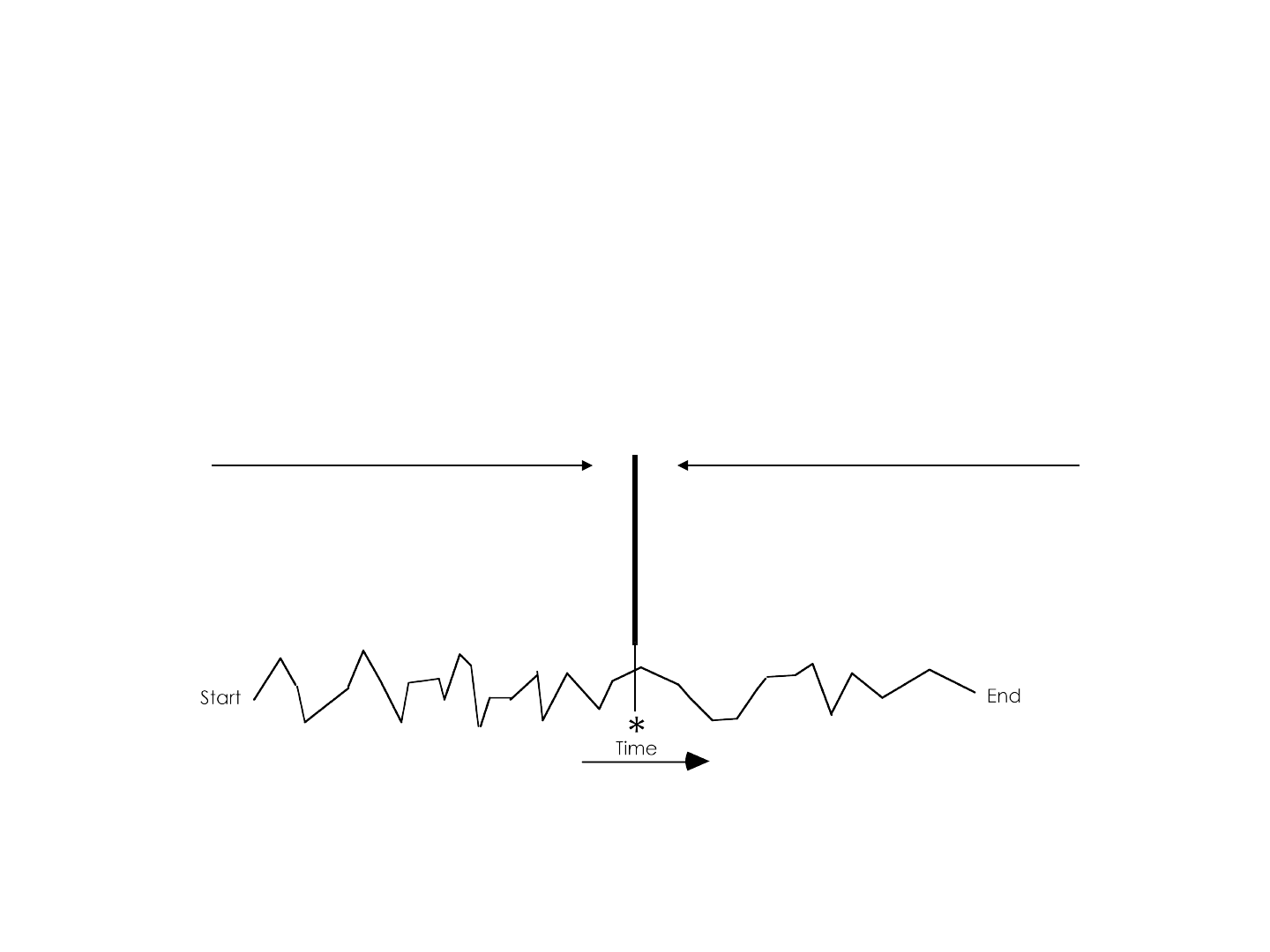
Causation
Cause in past
Cause in future
determinism teleology
Research: The Acquisition of Knowledge
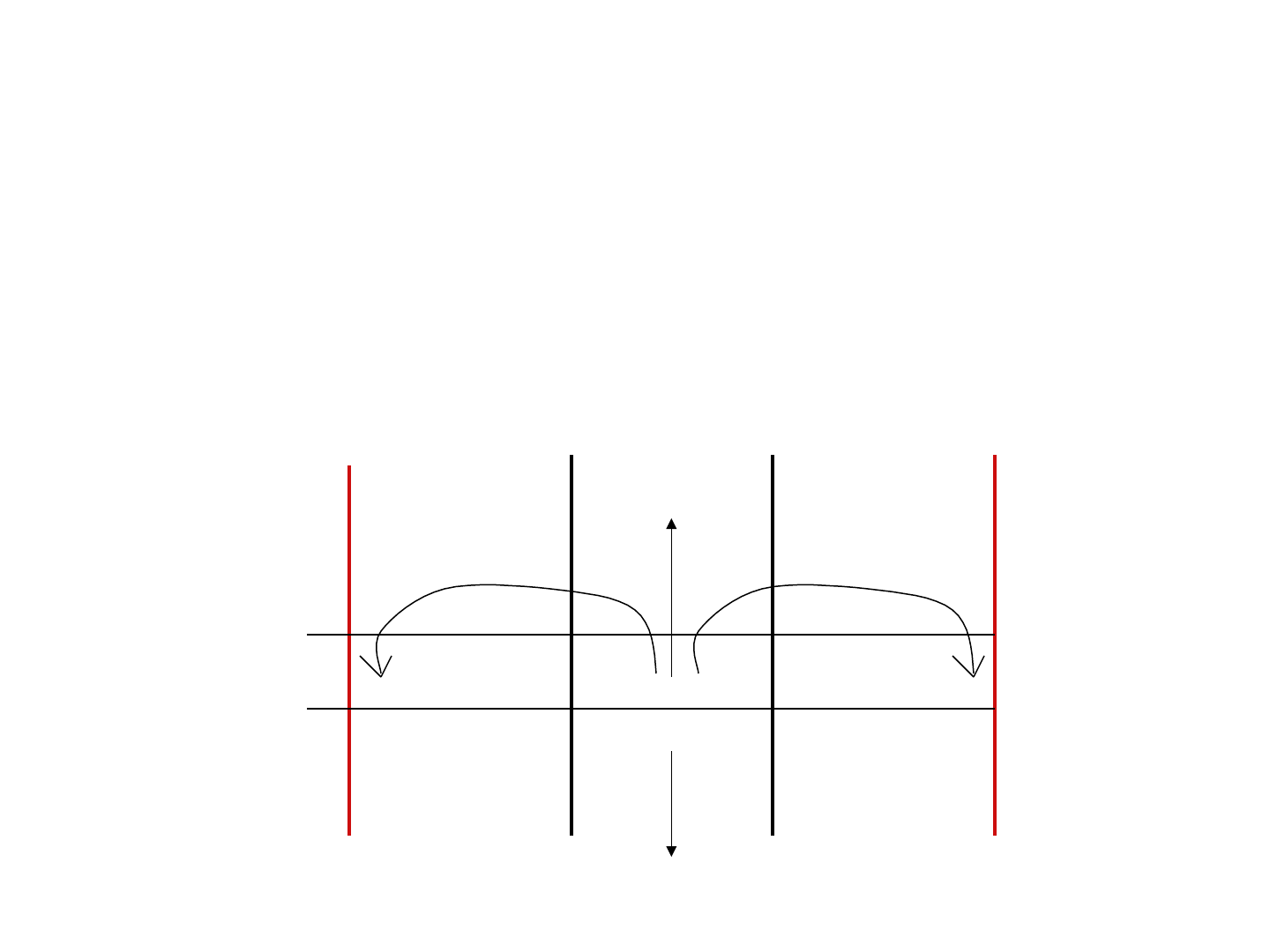
Type of Causal Appeal
Organismic
adaptation
Cellular
adaptation
Group
adaptation
Reductionistic
Contextualistic
correlative
Short
term
Research: The Acquisition of Knowledge
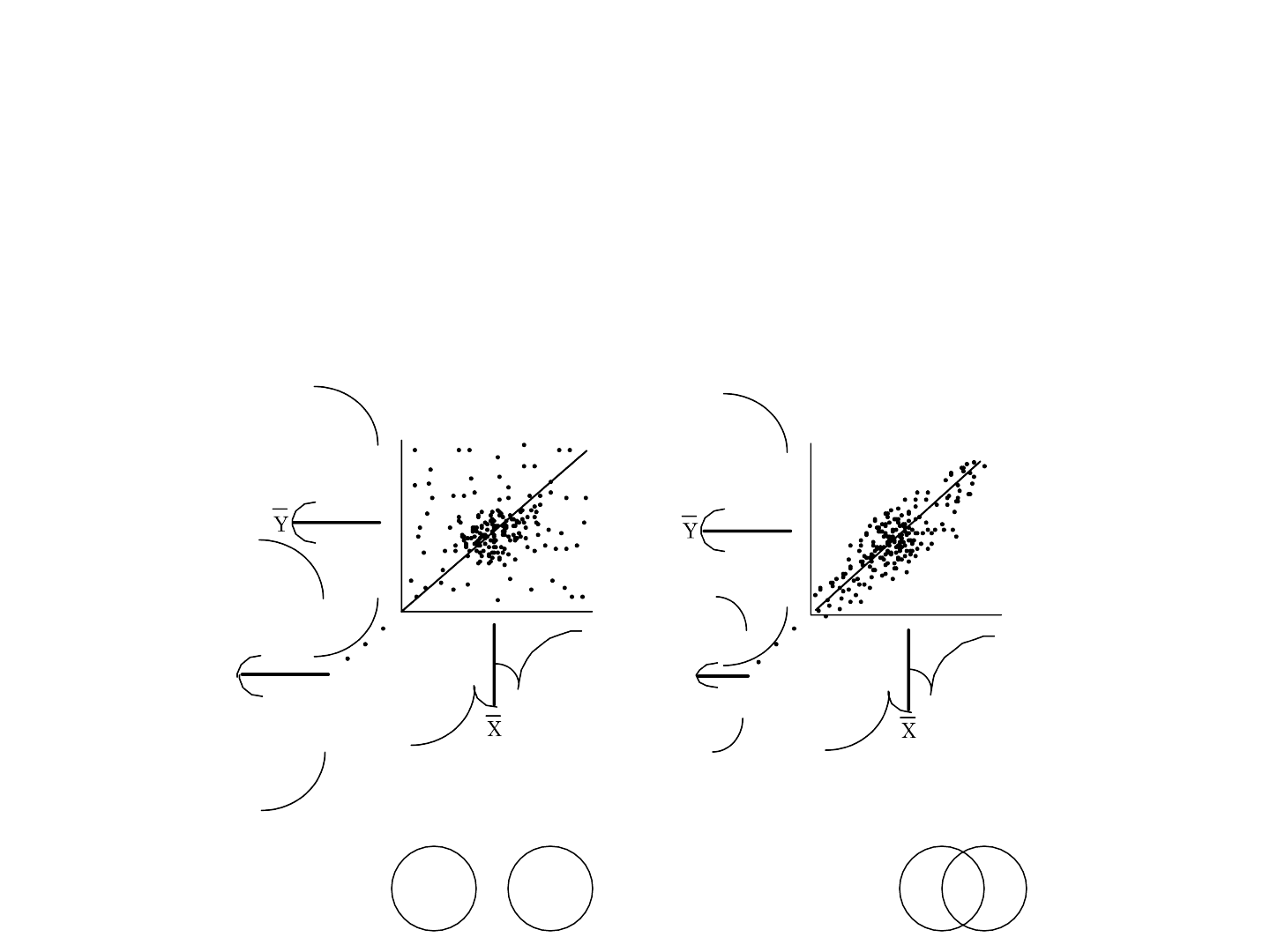
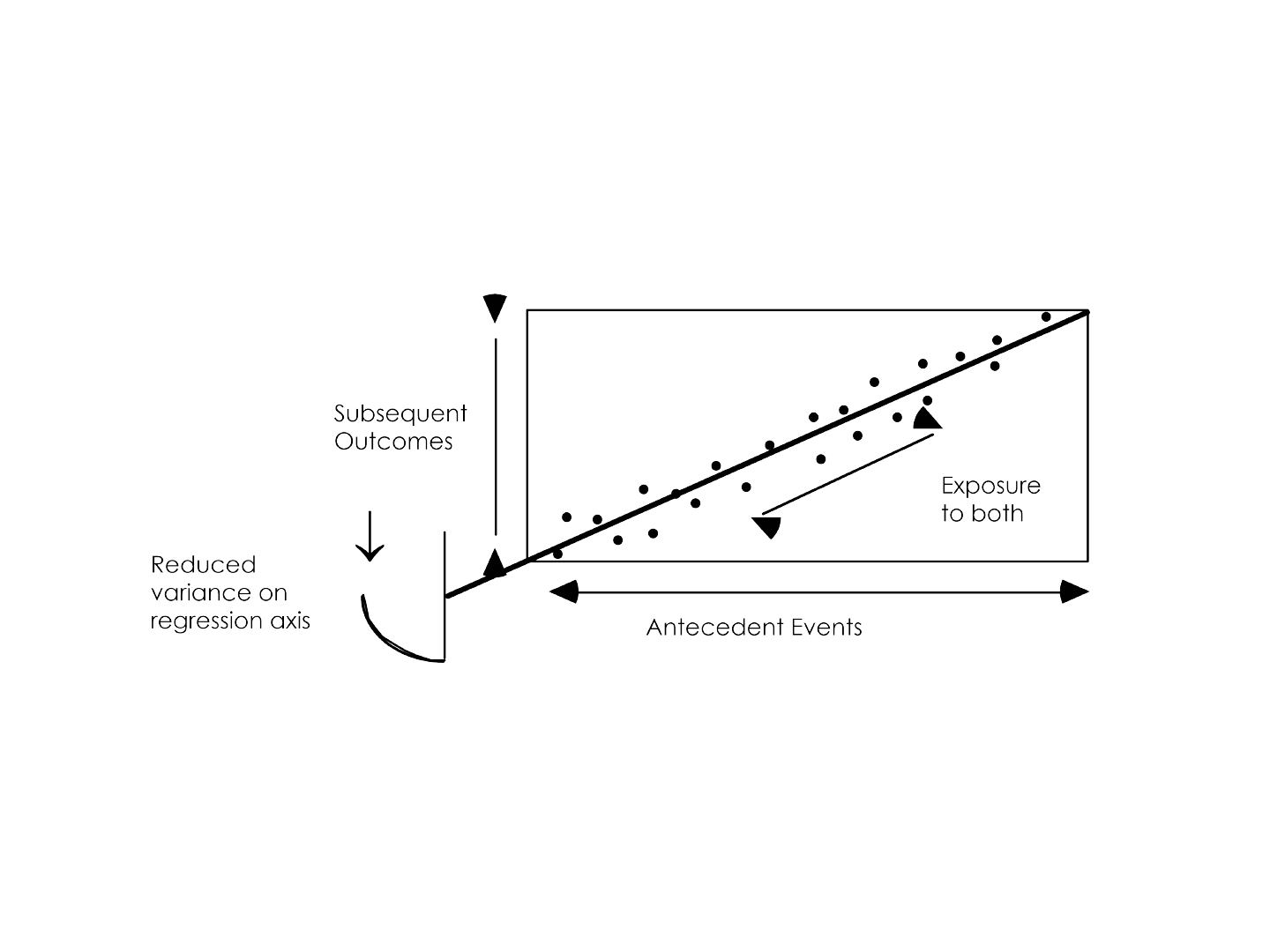
The Analysis of Variability
Knowledge is Covariance
Research: The Acquisition of Knowledge
x xy y

The Analysis of Variability
Accountable Variance
Residual Variance
Research: The Acquisition of Knowledge

The Analysis of Variability
Accountable Variance
cause/effect
mechanistic
functional
correlational
Residual Variance
Research: The Acquisition of Knowledge

The Analysis of Variability
Accountable Variance
Residual Variance
experimental solution
assumption of nonlinear dynamics
assumption of true score
delegate problem
decline judgment
Research: The Acquisition of Knowledge

Motivation To Do Research
Indulge curiosity
Challenge
Social reinforcers
Research: The Acquisition of Knowledge

Goal of Research
Satisfy curiosity
Construct functional context
Test theory
Research: The Acquisition of Knowledge

Sources of Problems
Expert
Folklore
Insight
Informal discussion
Knowledge of techniques and apparatus
Reading literature
Paradoxical incident conflicting results
Deduced from paradigm
Research: The Acquisition of Knowledge

Research Activities
What if
Verification
Improve measure
Unconfounding
Specialization
Generalization
Technological advancement
Recombination
Establish existence
Testing prediction
Construction of functional context
Integration into existing paradigm
Research: The Acquisition of Knowledge

Classifications
Deductive vs. inductive
Analysis vs. synthesis
Manipulation vs. no manipulation
Single fact vs. function
Structural vs. functional
Face value vs. model of something else
Research: The Acquisition of Knowledge

Research Optimization
Reliability
Generality
Detectability
Meaningfulness
Research: The Acquisition of Knowledge

Research Design
Difference measures cancel confounds
Evaluation
comparison to chance
consistency with database
coherence with paradigm
Research: The Acquisition of Knowledge

Research Tactics
Be committed
Be well read
Balance novel with mainstream
Focus on productive relationships
Maximize chances to discover
Be alert, ingenious, and relentless
Be diligent, meticulous, and honest
Research: The Acquisition of Knowledge

Communicating Research Findings
Introduction
Method
Results
Discussion
Research: The Acquisition of Knowledge

Introduction
Background to understand and appreciate
Case for question
Case for method
Research: Communicating Research Findings

Method
Information necessary to realize problems
Information necessary to replicate
Research: Communicating Research Findings

Results
What happened
Information necessary to justify summaries
Document reliability
Document power or VAF
Research: Communicating Research Findings

Discussion
How original question was answered
Nonstatistical arguments for:
reliability
generality
detectability
meaningfulness
Implication of research - “so what”
Research: Communicating Research Findings

Example Science
Paradigmatic Psychology:
Short-term Adaptation
or “Learning”
Paradigmatic Psychology
*
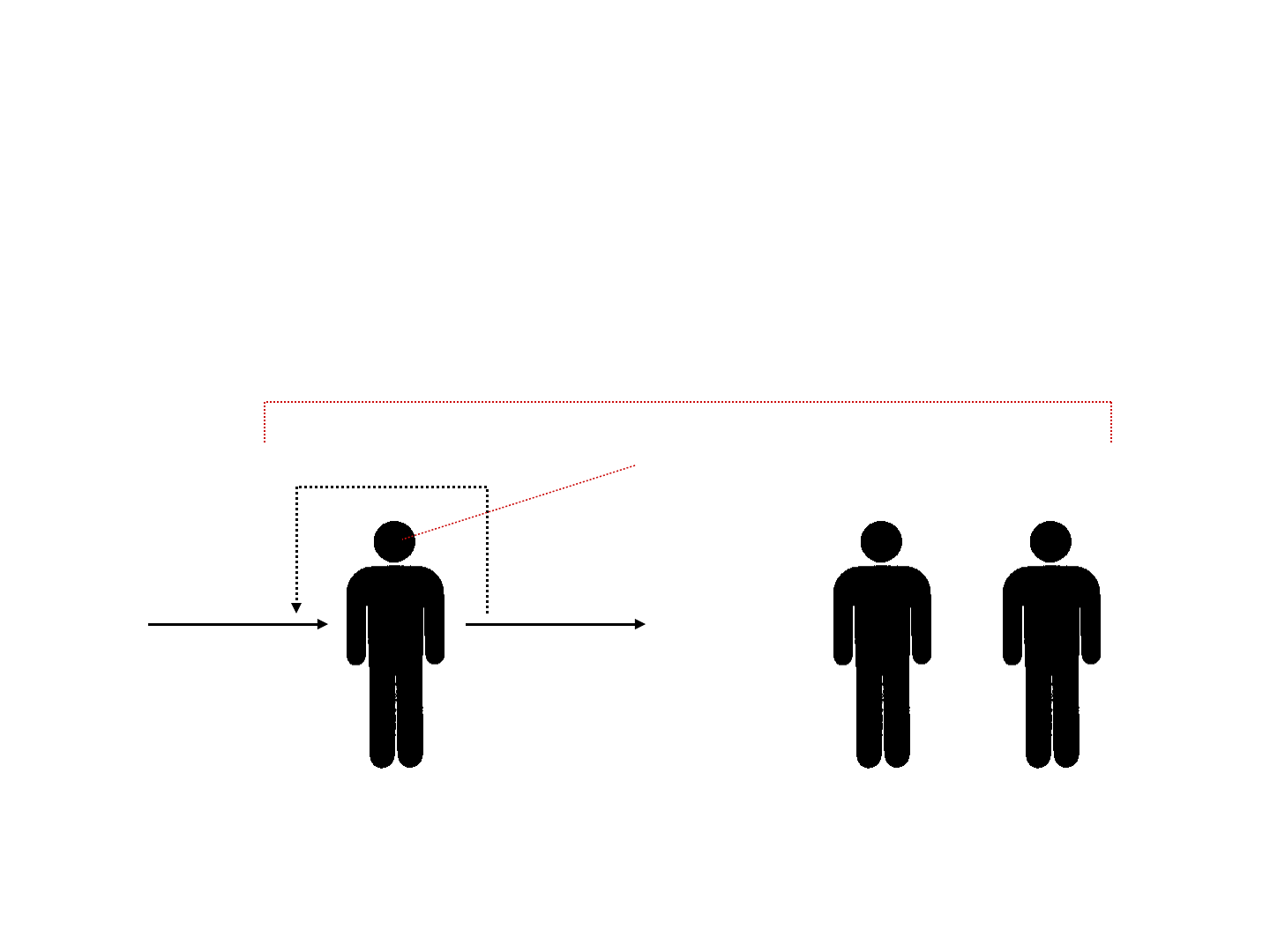
Paradigmatic Psychology
Causation
experience
IV DV
Reductionistic
behavior
correlative
Contextual
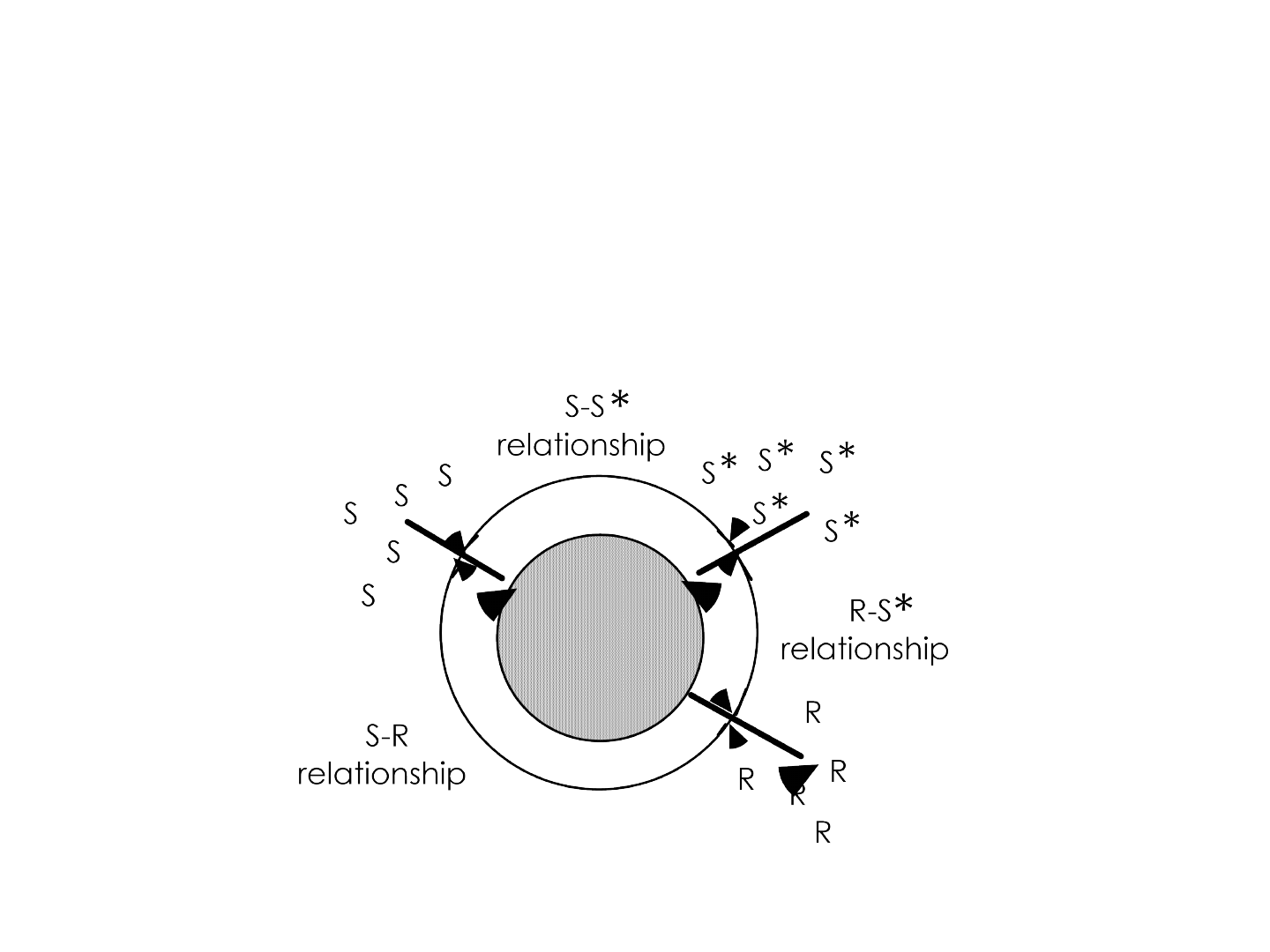
Paradigmatic Psychology
Relationships of Interest
Organism

Illuminating Grammar
Avoid active voice and reference to animal
• A key peck occurred when light came on
• The pigeon pecked when the light came on
• The pigeon learned to peck when …
• The pigeon learned to peck in order to get …
• The pigeon learned the rule “pecking …”
• The pigeon understood that if it was to eat …
Paradigmatic Psychology
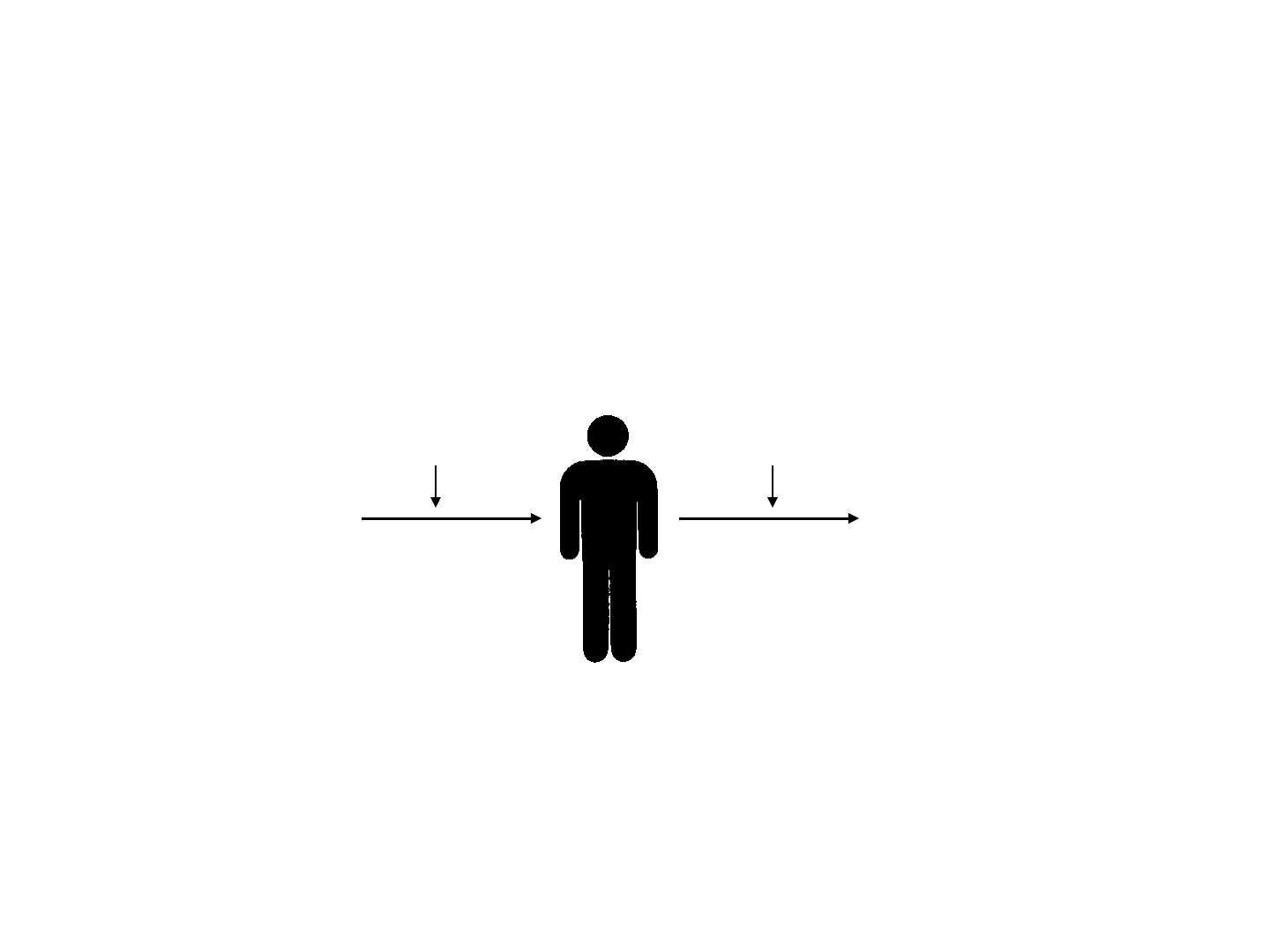
The Task
stimulus
IV DV
Paradigmatic Psychology
response
DV = f(IV)
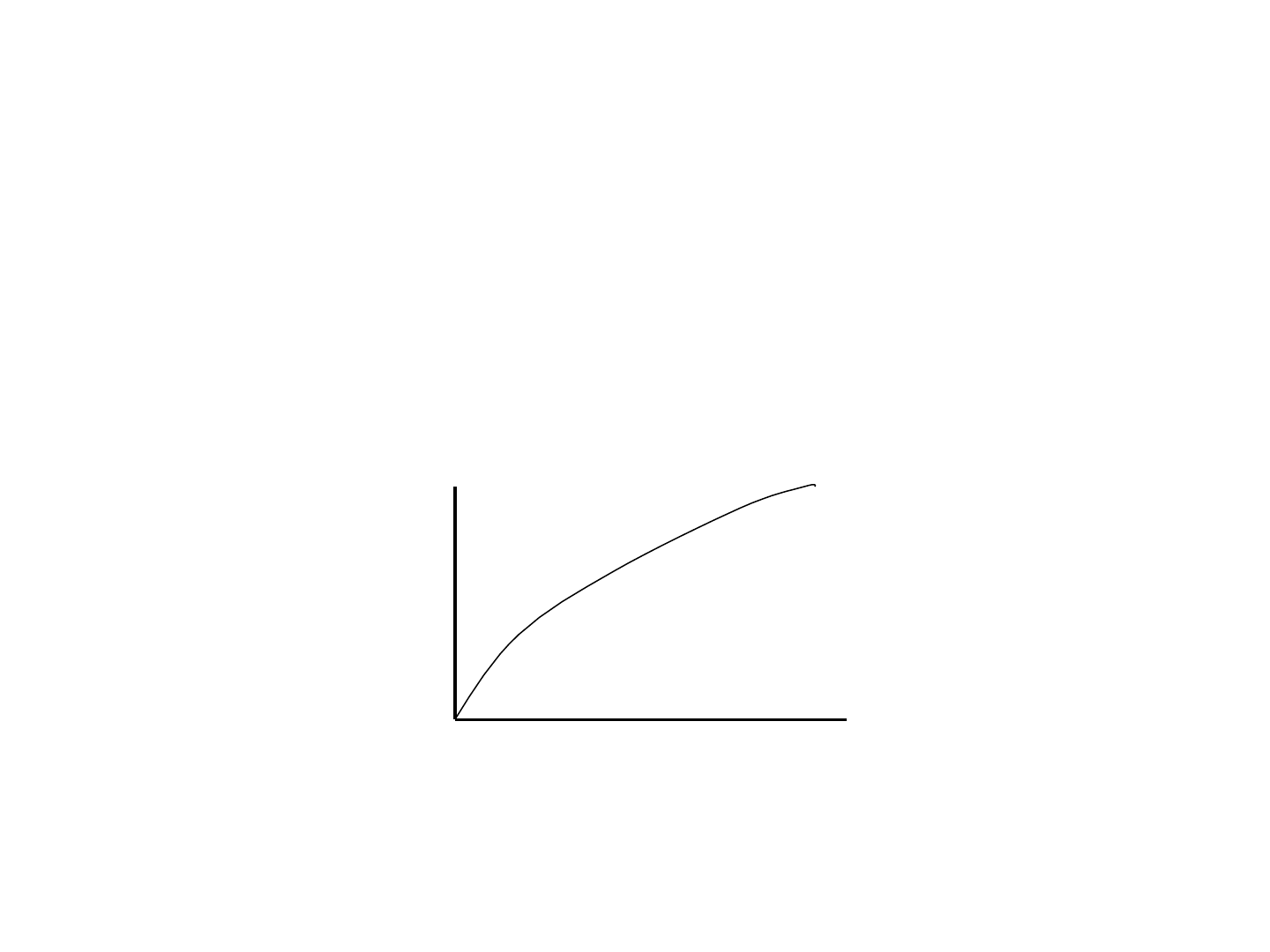
Time Scale Subset:
Short-term Adaptation
Paradigmatic Psychology
DV
minutes / days

Principal Factors
Reinforcement
Shaping
Stimulus control
Nonlinear temporal discounting
Paradigmatic Psychology

Paradigmatic Psychology: Principal Factors
Reinforcement
Some events with some relationships
with stimuli or behavior have an
enduring effect on subsequent behavior

Paradigmatic Psychology: Principal Factors
Reinforcement
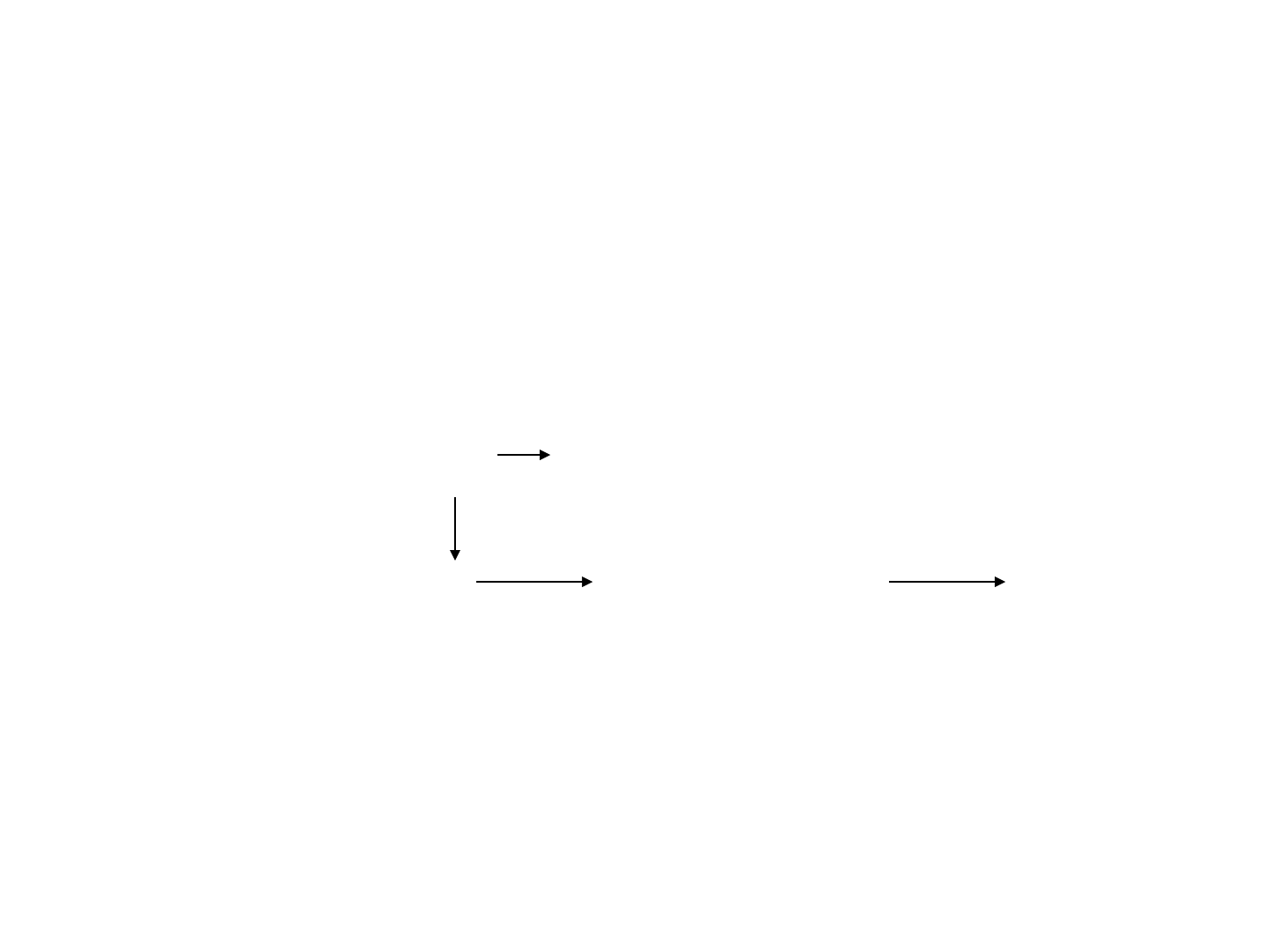
Operant conditioning (Thorndike)
R
1
R
2
R
3
R
4
R
4
R
4
R
1
R
4
R
3
R
4
R
4
S*
Paradigmatic Psychology: Principal Factors
Reinforcement
Reflex conditioning (Pavlov)
S
1
S
2
S
3
S
4
S
1
S
2
S
3
S
4
R
S* R
Paradigmatic Psychology: Principal Factors
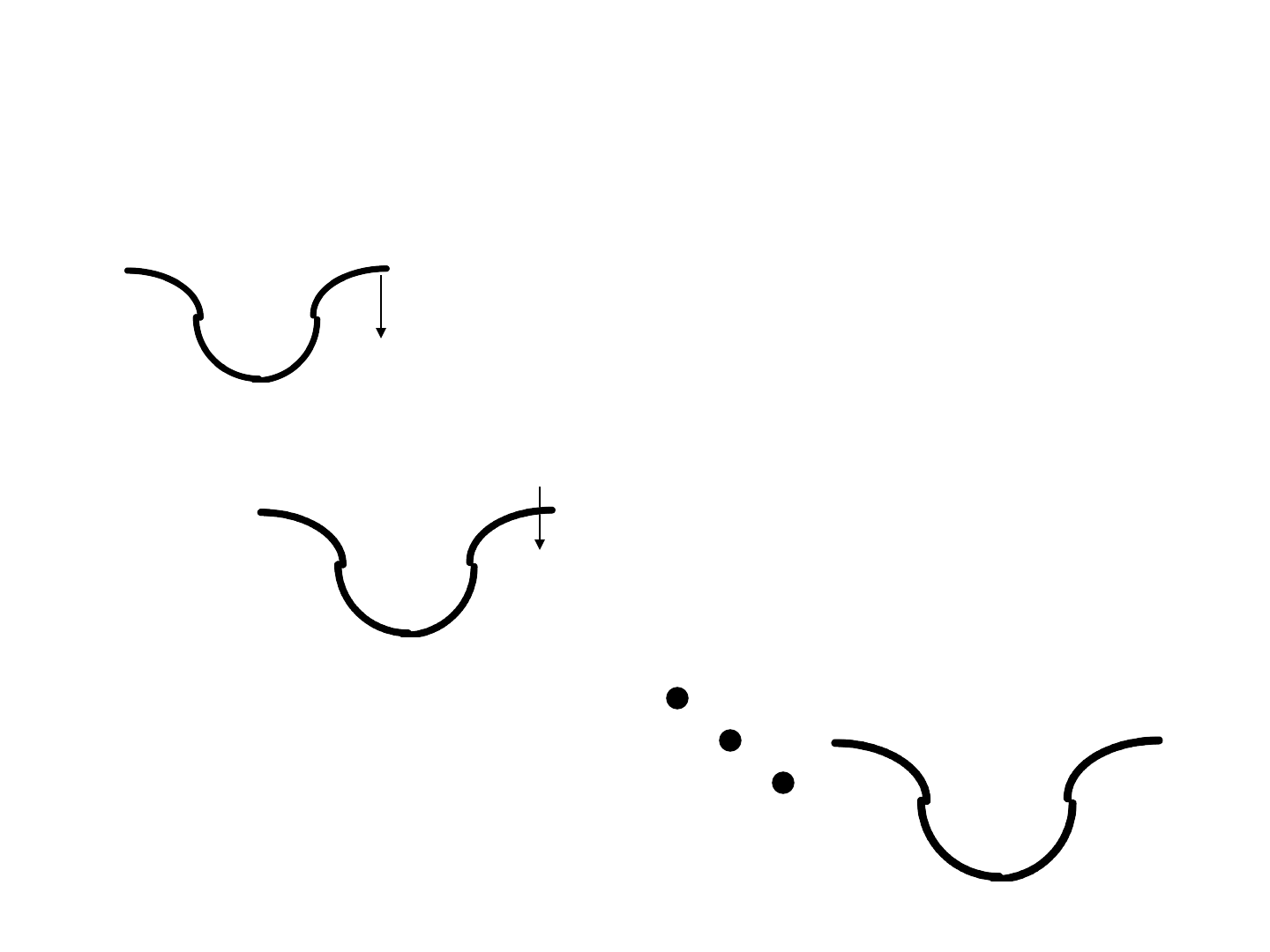
Shaping
R
1
R
2
R
3
R
4
S*
R
20
R
21
R
22
R
23
S*
R R R
5 6
3 4
R
5
R
7
R

Paradigmatic Psychology: Principal Factors
Stimulus Control
S
1
R
1
S*
S
2
R
1
S
1
S
2
R
1
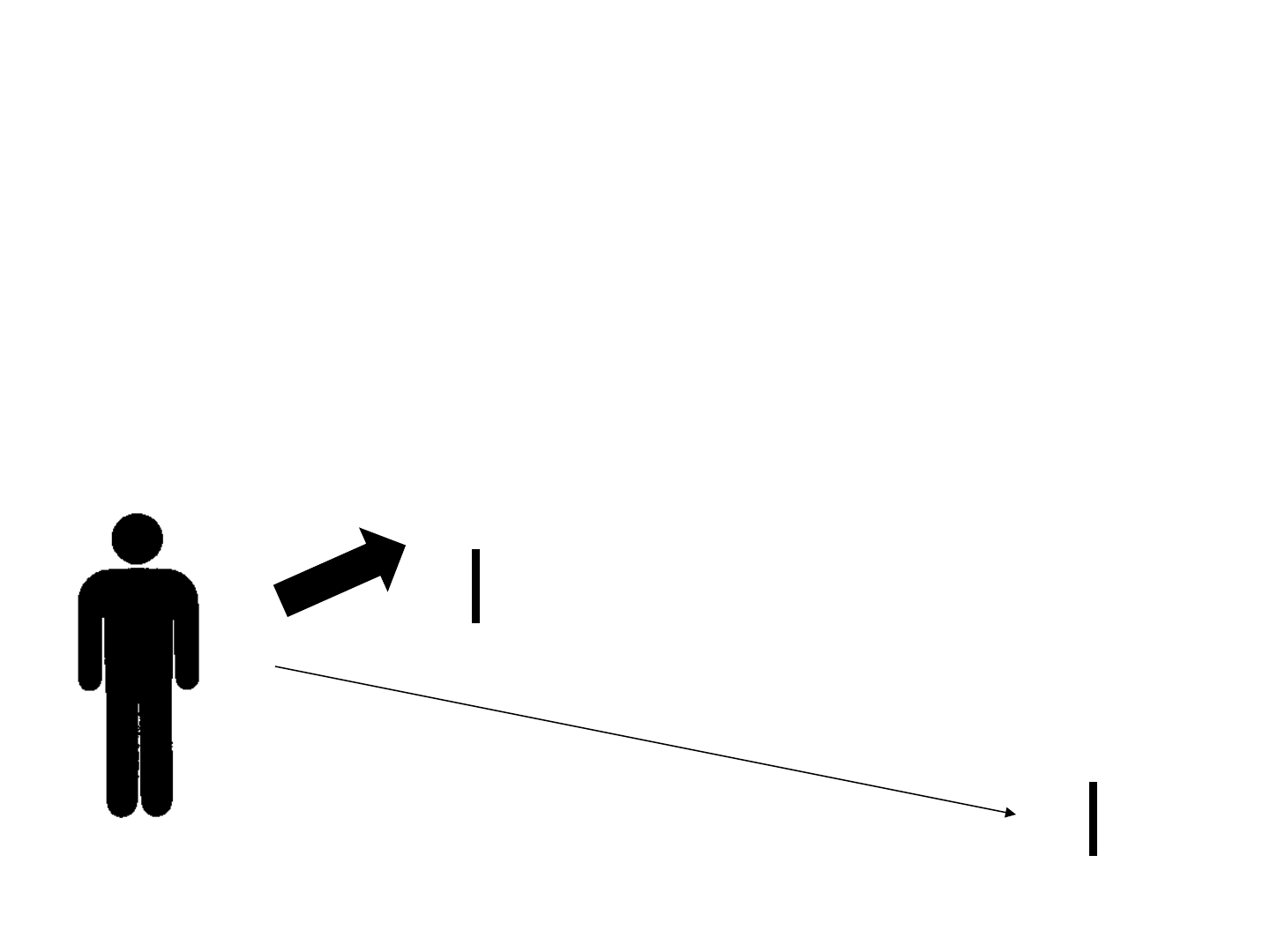
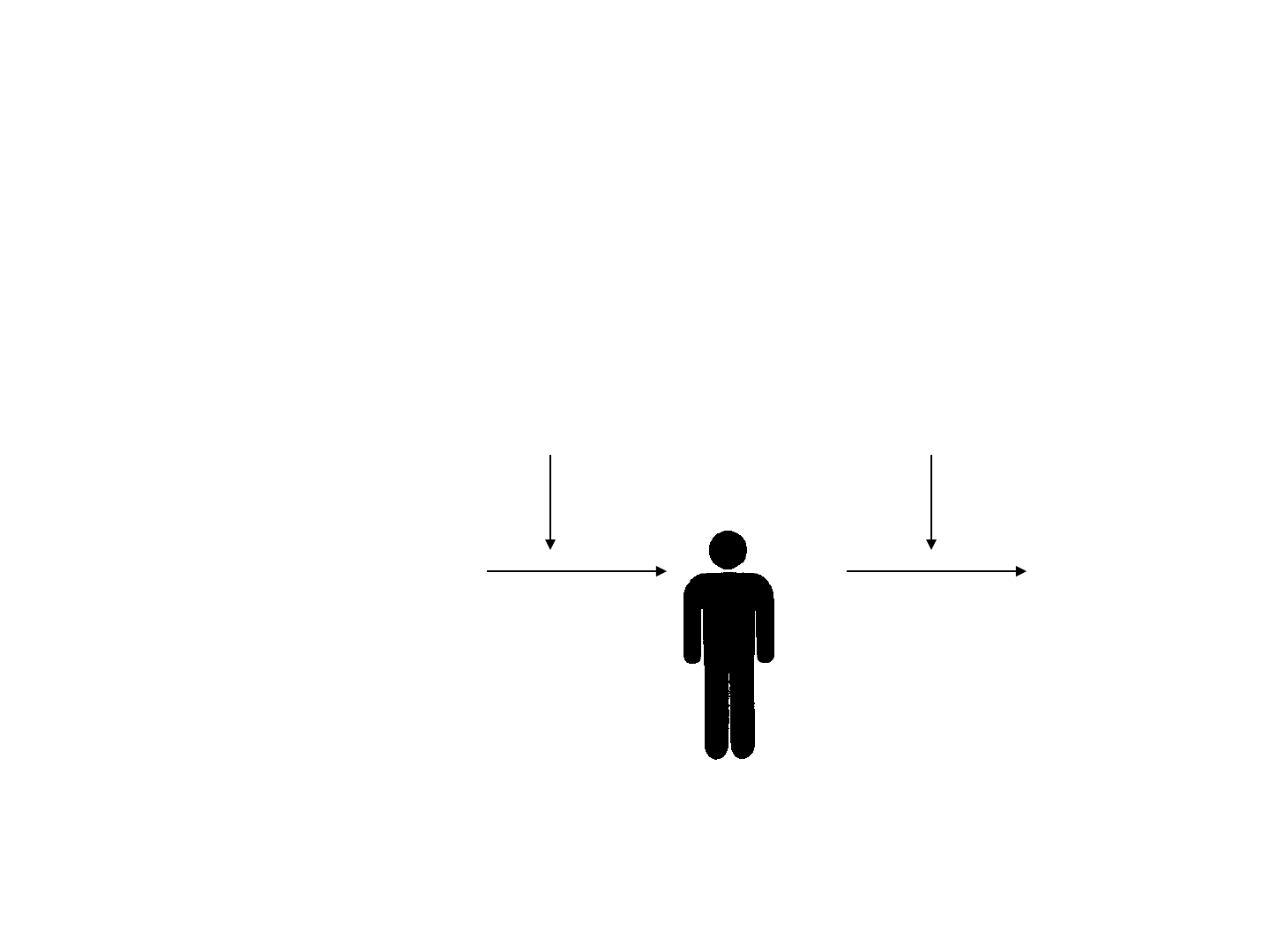
Paradigmatic Psychology: Principal Factors
Nonlinear Temporal Discounting
Experimental Demonstration
smaller
sooner
1 oz now
larger
later
2 lbs in 10 min
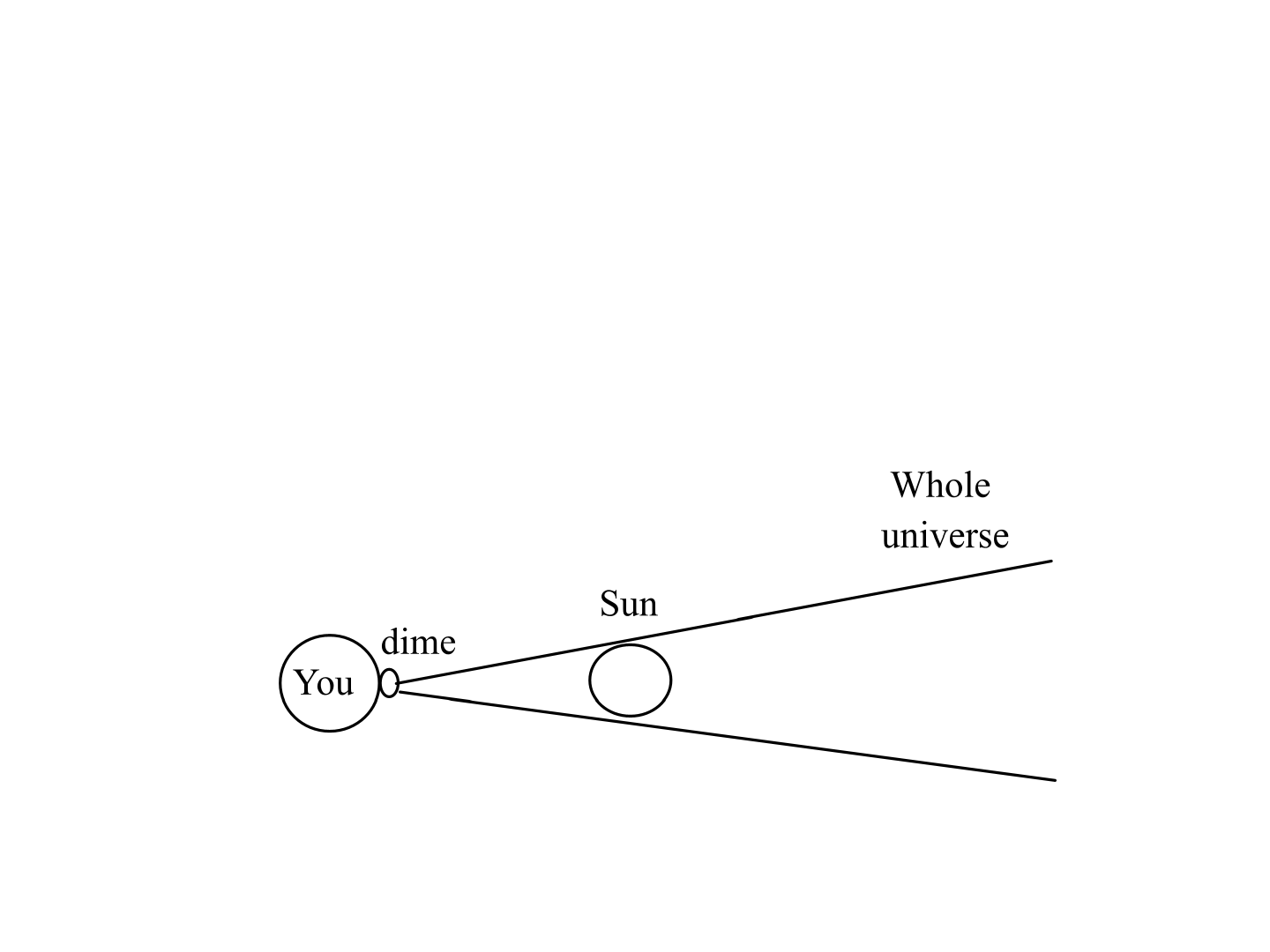
Paradigmatic Psychology: Principal Factors
Nonlinear Temporal Discounting
Metaphor: Visual angle
Paradigmatic Psychology: Principal Factors
Reinforcement
Shaping
Stimulus control
Nonlinear temporal discounting
All Behavior
Models in Science
Task
Model Target

Models in Science
Features
Relevant features
Irrelevant features

Models in Science
Purpose:
Maximize the positive
Minimize the negative

Models in Science
Optimization
• Cost
• Time
• Complexity
• IV
• DV
• Confounding variable

Models in Science
Chosen Basis of Generality
Maximize similarity to maximize generality
Maximize understanding to maximize generality

Models: Chosen Basis of Generality
Similarity
“Real” world
People or at least primates
but confounds
not broadly generalizable
Understanding
Laboratory
Primitive animals
but generality functions

Models in Science
Types
Mathematical model
Physical model
Model procedures
Model apparatus/settings
Model subjects

Models in Science
Animal Models in Psychology
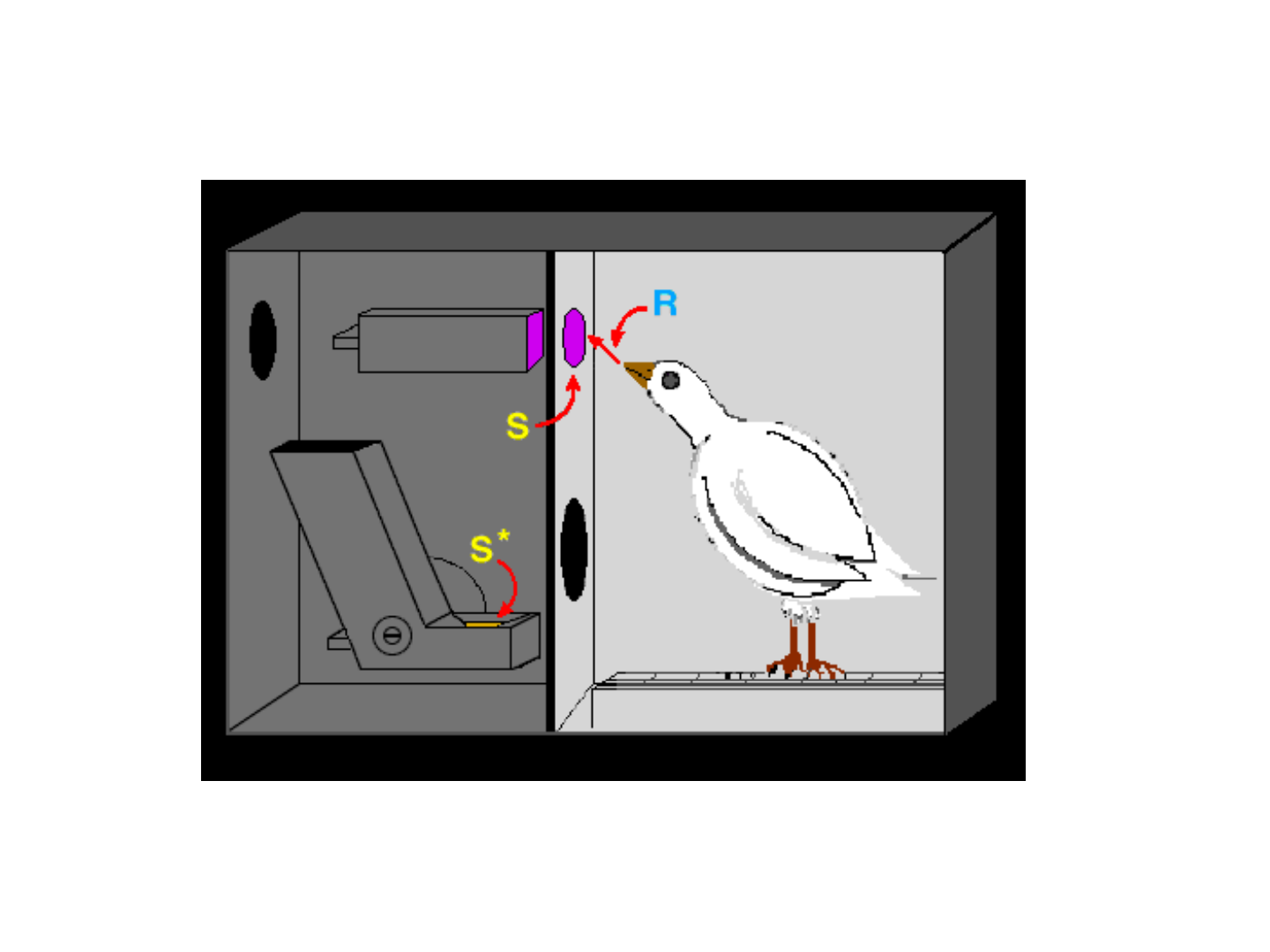
Conditioning and learning research is
based upon the use of pigeons pecking
to colored stimuli for access to food
pellet reinforcers in sealed experimental
chambers with transilluminated keys
and food magazine under schedules of
reinforcement.

Models in Science
Subjects/Apparatus Models
in Psychology
• Pigeons are pests in nature
• Mature rapidly, live 20+ years
• Behaviorally stable at >6 months
• Small, inexpensive, easy to maintain
• Rarely exchange diseases with humans
• Good color vision
inexpensive stimuli
easy to control and eliminate

Models in Science
• Key pecking is easy behavior to maintain
• Operant defined as key operation
• Transilluminated key assures exposure
• Food pellets inexpensive, easy to use
• Hunger motivation easy to maintain
and control
• Schedules control events at moment of
food

Models in Science
Life
People fear
heights
People play
slot machines
Models in Science
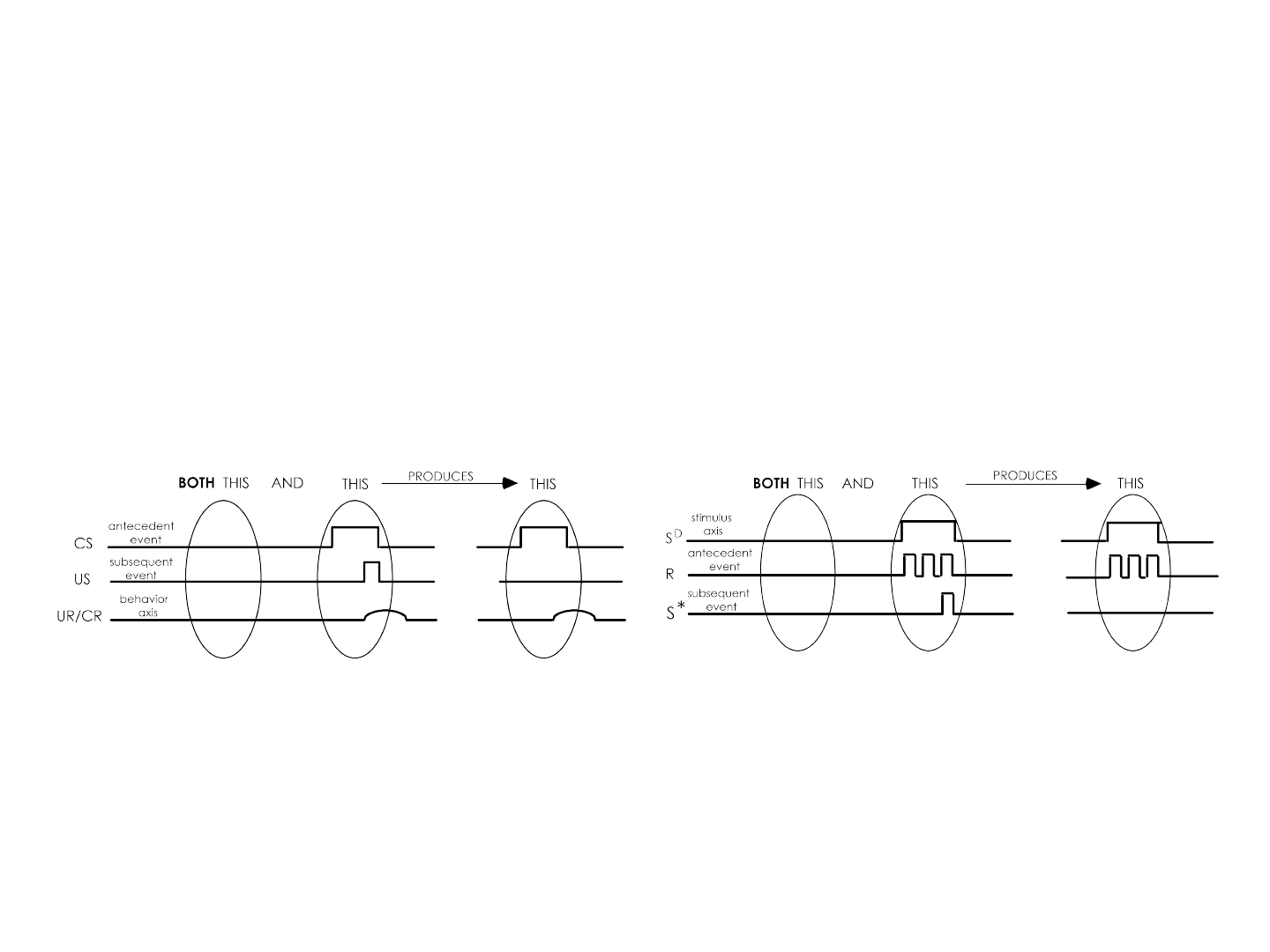
Procedural Model in Psychology
Reflex conditioning
Operant conditioning
Models: Procedural Model in Psychology
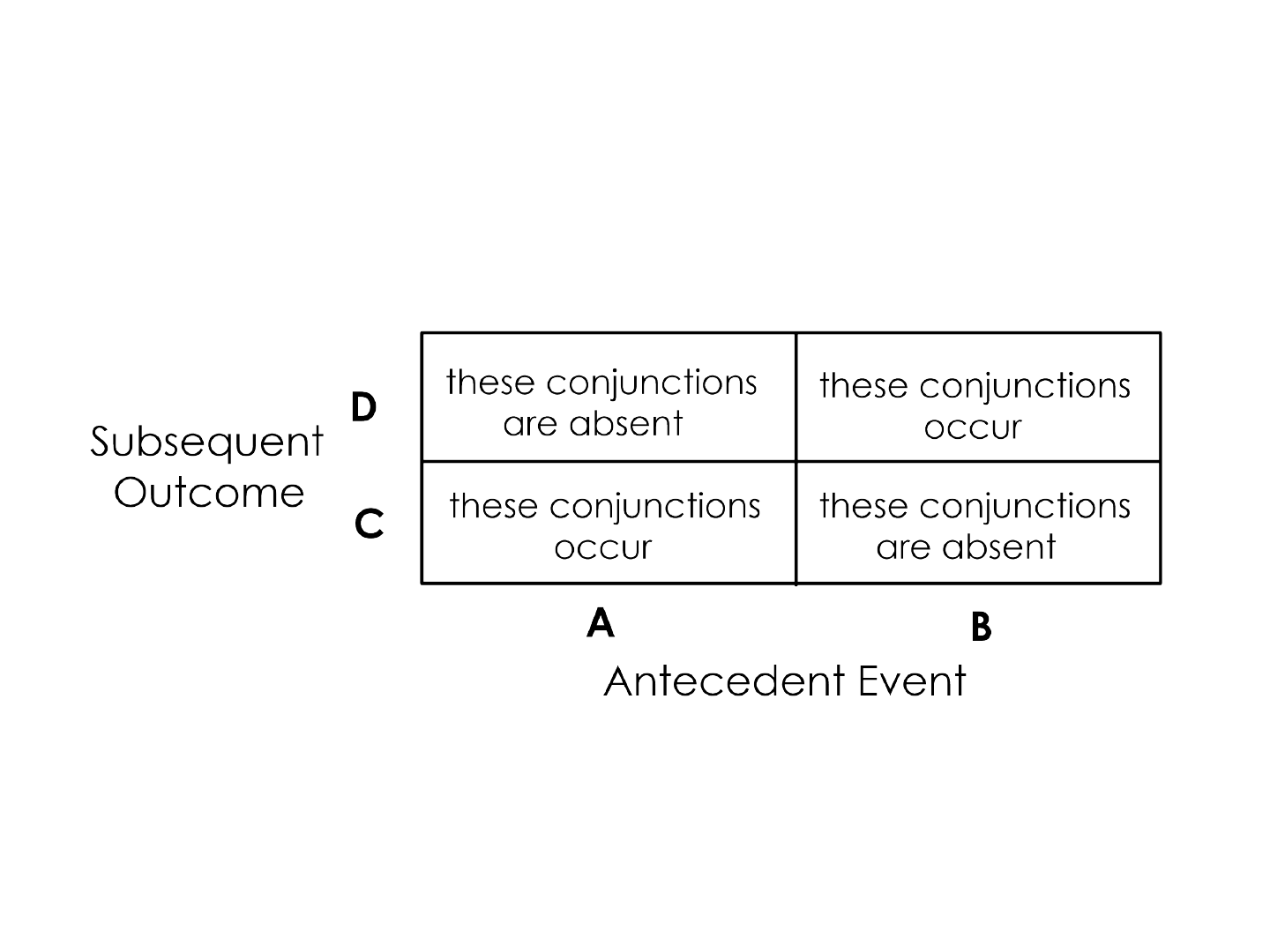
Contingency
Models: Procedural Model in Psychology
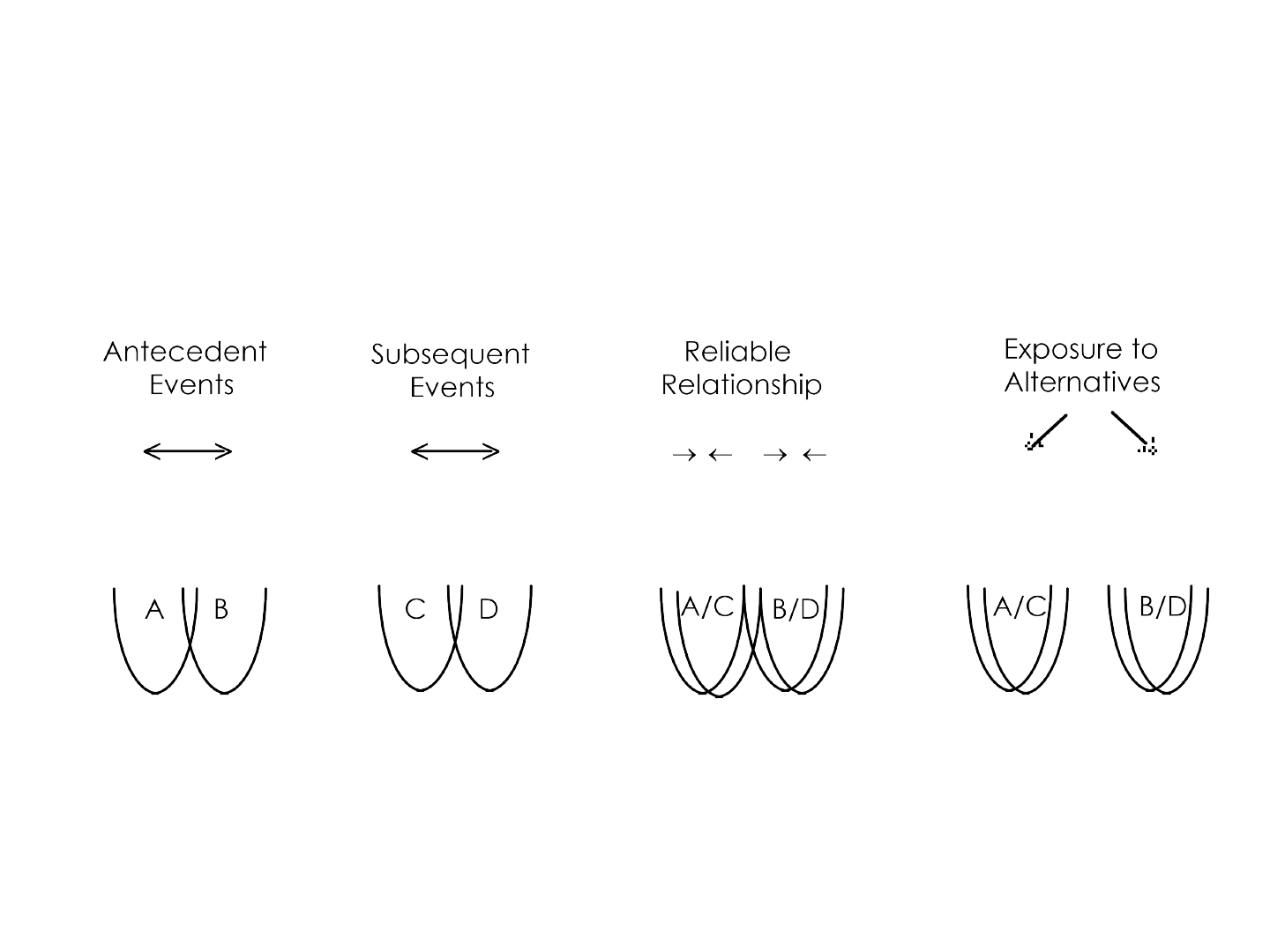
Contingency
Models: Procedural Model in Psychology
Contingency

Models: Procedural Model in Psychology
Mathematical Models in Psychology
• Rescorla Wagner Model
• Scalar Expectancy Model
• Behavior Theory of Timing
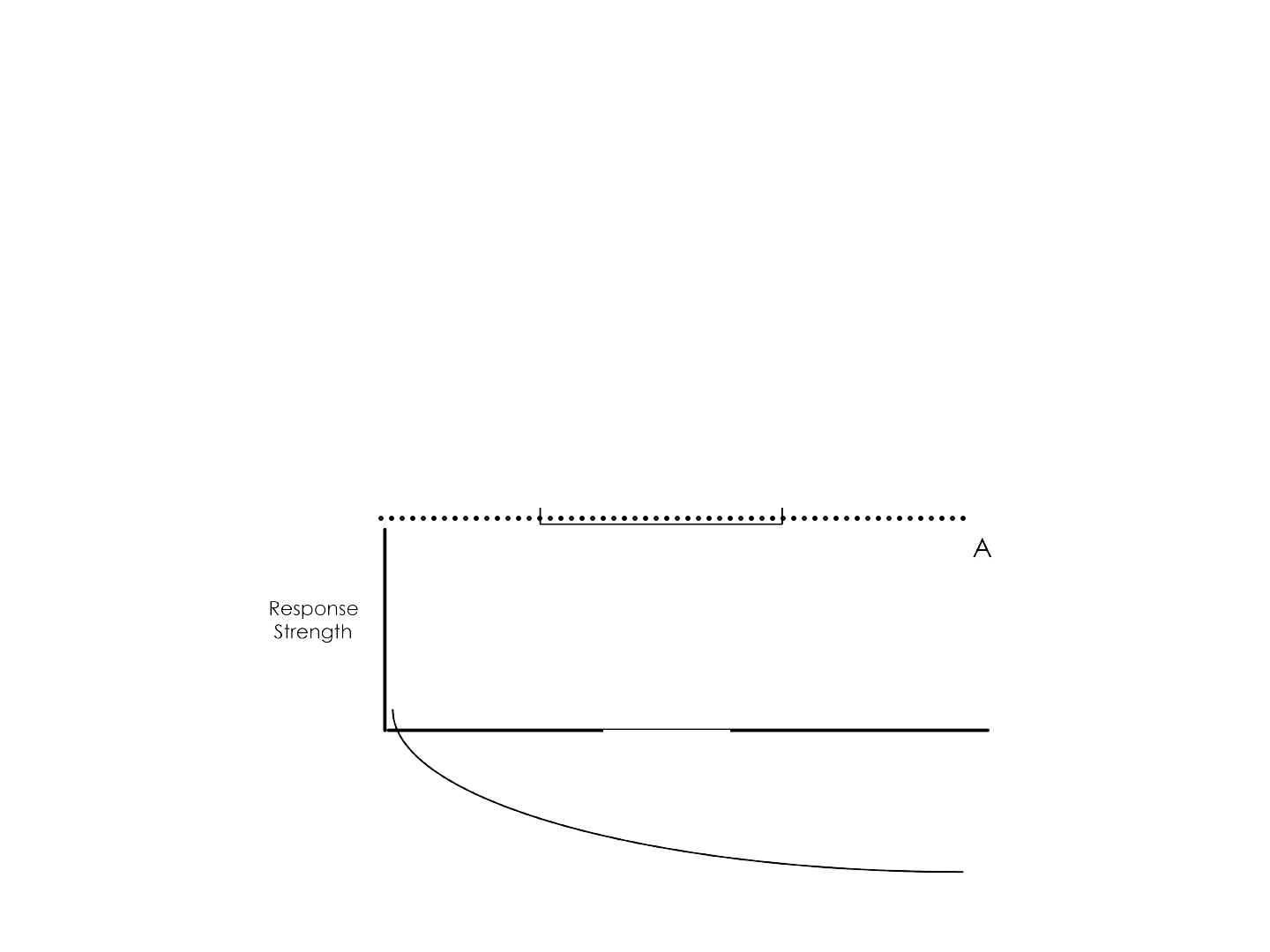
Models: Mathematical models in Psychology
Life
Trials
100
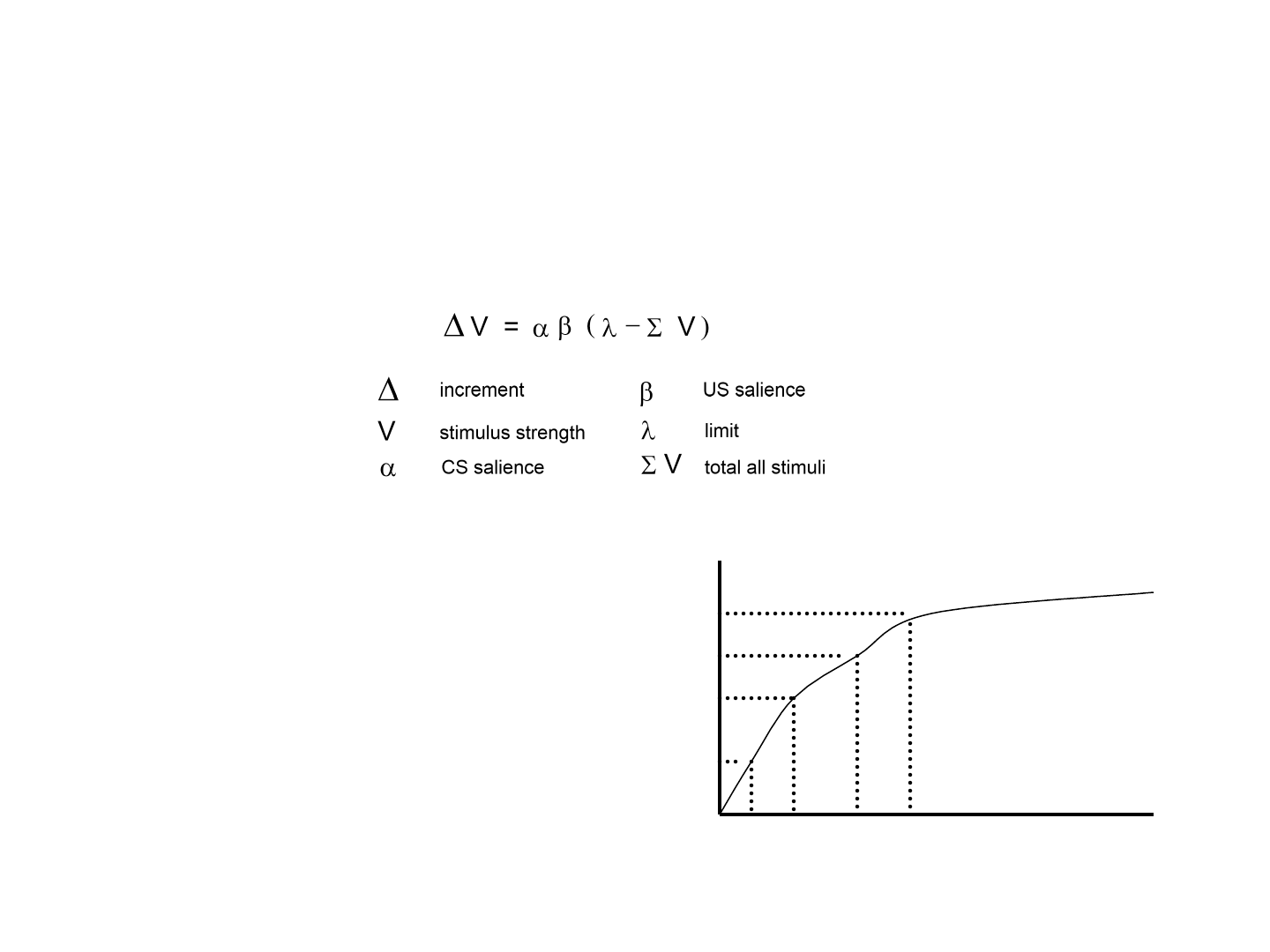
Models: Mathematical models in Psychology
1 2 3 4
10
19
0
10
19
27
34
10.0
9.0
8.1
7.3
= .1(100-0)
= .1(100-10)
= .1(100-19)
= .1(100-27)
V∆V
27
34
for trial
after trial
Rescorla-Wagner Model of Learning